
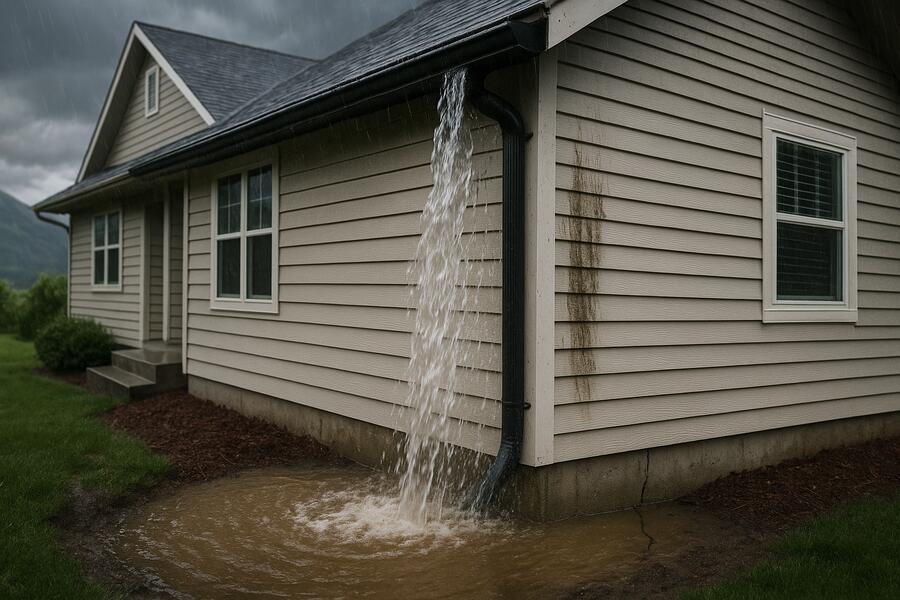
In Missoula, MT, heavy rainfall and significant snowmelt are common occurrences. While our homes are built to withstand these conditions, an inefficient or failing water drainage system can lead to a cascade of costly problems, starting from your roofline and often culminating in foundation damage. Many homeowners don’t realize they have a drainage issue until it’s too late, often after noticing severe symptoms like a wet basement or large foundation cracks.
However, your home often provides subtle and not-so-subtle clues that something is amiss with its drainage long before major damage occurs. Learning to identify these signs of a home drainage problem can save you thousands in repairs and preserve your home’s structural integrity. Catching these issues early is crucial for effective intervention. Don’t wait until it’s too late – knowing what to look for around your foundation and roofline can make all the difference. If you suspect an issue, don’t hesitate to get a free estimate.
Visible Clues Around Your Home’s Exterior
1. Overflowing or Sagging Gutters
Your gutters are the first line of defense against water damage. If they’re not working correctly, it’s a primary indicator of a drainage issue.
-
Overflowing Gutters:
During or after rain, if water is cascading over the sides of your gutters instead of flowing through the downspouts, they are likely clogged with leaves, twigs, or debris. This means water isn’t being directed away from your home.
-
Sagging or Pulled-Away Gutters:
Gutters that are pulling away from the fascia board or visibly sagging often indicate they are holding excessive weight, usually from accumulated debris and standing water. This can also mean the fasteners are failing, compromising their ability to direct water properly.
-
Water Stains on Siding or Fascia:
Streaks or discoloration on your home’s siding or fascia boards directly below the gutters are clear evidence that water is regularly spilling over or seeping behind the gutter system.
💡 Key Takeaway: Your gutters are the first visible indicator of a drainage problem. Overflowing, sagging, or discolored gutters and siding reveal that water isn’t being properly channeled away from your home.
2. Pooling Water Near the Foundation
This is one of the most critical signs of a drainage problem. Water that collects within 5-10 feet of your foundation is a major red flag.
-
Puddles After Rain:
If you see standing puddles of water around your home’s perimeter for an extended period (more than 24-48 hours) after a rain event, your grading or downspout extensions are failing to direct water far enough away.
-
Washed-Out Landscaping/Erosion:
Areas of soil erosion, bare spots, or displaced mulch directly against your foundation indicate that concentrated streams of water are regularly hitting the ground too close to your house, washing away soil over time.
-
Muddy Streaks:
Mud trails on the exterior walls or foundation, especially under downspouts, show that soil and water are splashing up against your home, which can lead to moisture issues and mold.
3. Foundation and Basement Issues
These are the more severe, often long-term consequences of persistent drainage problems. They signal that water has infiltrated beyond the surface.
-
Foundation Cracks:
Step-ladder cracks in brickwork, horizontal cracks, or vertical cracks in concrete foundations can all be signs of foundation movement due to saturated soil expanding and contracting, or hydrostatic pressure from standing water pushing against the walls.
-
Wet Basement or Crawl Space:
Any signs of moisture in your basement or crawl space—dampness, standing water, water stains on walls or floors, or a musty odor—point directly to water infiltration, often from insufficient exterior drainage.
-
Mold and Mildew:
The presence of mold or mildew on interior basement walls or around windows is a clear indication of excessive moisture. This can be a health hazard in addition to a structural one.
-
Sticking Doors and Windows / Uneven Floors:
In severe cases, foundation settlement caused by water damage can lead to structural shifts, resulting in doors and windows that stick, or uneven/sagging floors on the main levels of your home.
💡 Key Takeaway: Basement dampness, foundation cracks, and even sticking doors are advanced warning signs that exterior drainage problems have begun to compromise your home’s structural integrity. Address these immediately.
4. Improper Grading
Beyond your gutters, the slope of the ground around your home is critical for drainage.
-
Negative Slope:
If the ground around your foundation slopes towards your house instead of away from it, you have a negative grade. This directs water directly into your foundation, regardless of how well your gutters work.
-
Landscape Changes:
Any recent landscaping or construction near your home could inadvertently alter the grade, redirecting water flow incorrectly.
| Location of Sign | Specific Clue | What It Indicates |
|---|---|---|
| Roofline/Gutters | Overflowing water, sagging gutters, water stains on siding. | Clogged, damaged, or undersized gutters. |
| Ground Around Foundation | Puddles, soil erosion, mud splashes. | Improper downspout extensions or poor yard grading. |
| Basement/Crawl Space | Dampness, standing water, musty odors, mold. | Water infiltration through foundation walls. |
| Foundation Walls | Cracks (horizontal, step-ladder, vertical). | Foundation movement or hydrostatic pressure damage. |
| Interior (advanced) | Sticking doors/windows, uneven floors. | Significant foundation settlement. |
Being proactive about identifying and addressing signs of a home drainage problem is one of the best ways to protect your property value and avoid extensive, expensive repairs. Regular inspections of your gutters, downspouts, and the grading around your Missoula home can catch issues early, keeping your home safe and dry for years to come.
Have questions about signs of a home drainage problem? Reach out to our team today.
Frequently Asked Questions About Home Drainage Problems
How far should downspouts extend from my foundation?
Downspout extensions should ideally direct water at least 5 to 10 feet away from your home’s foundation. This ensures that water is dispersed well beyond the critical zone where it could saturate the soil and exert pressure on your foundation walls.
Can clogged gutters truly damage my foundation?
Absolutely. Clogged gutters cause water to overflow directly next to your foundation. This continuous saturation of the soil leads to expansion and contraction, which puts immense stress on foundation walls. Over time, this can cause cracks, settlement, and ultimately, structural damage to your home.
What should I do if I notice standing water near my foundation?
If you notice standing water, first check your gutters and downspouts for clogs and ensure they are directing water far enough away. If the problem persists, examine the grading around your home to see if it slopes towards the foundation. You may need to regrade the soil, install French drains, or consult with a drainage specialist to identify and fix the underlying issue.

