
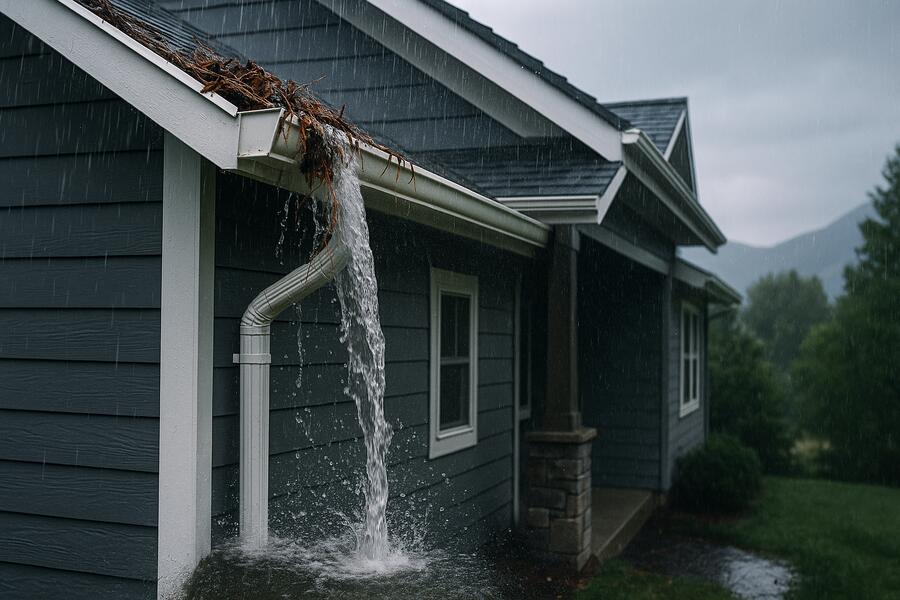
Downspouts are the unsung heroes of your gutter system, silently channeling thousands of gallons of water away from your home’s foundation each year. But when they become clogged, their silent service turns into a destructive force, often leading to overflowing gutters, fascia damage, foundation issues, and even basement flooding. In Missoula, MT, where we experience significant rainfall and snowmelt, maintaining clear downspouts is crucial for protecting your property.
At Aces Seamless Gutters, we’ve seen the extensive damage that can result from neglected downspout clogs. Diagnosing downspout clogs accurately and clearing them effectively requires a methodical approach and the right tools. While some homeowners might attempt DIY solutions, a professional has the experience to quickly pinpoint the blockage and ensure a lasting clear path. If you suspect a clog, a thorough gutter cleaning near me often includes downspout clearing. Let’s walk through how our technicians identify and clear these stubborn blockages.
I. Diagnosing Downspout Clogs: The Tell-Tale Signs
Often, your home will send clear signals that something is amiss with its drainage.
1. Visual and Auditory Cues
What to look and listen for.
-
Overflowing Gutters:
The most obvious sign is when water overflows from the gutter trough during rain, even if the gutter itself appears relatively clear. This indicates that water is collecting faster than the downspout can drain it.
-
Little or No Water from Outlet:
During or immediately after rainfall, observe the bottom of your downspout. If no water is exiting, or if it’s only a weak trickle, a blockage is almost certainly present.
-
Gurgling or Glugging Sounds:
Listen for unusual gurgling, bubbling, or glugging noises coming from inside the downspout during rain. These sounds indicate that water is backing up against a partial blockage, and air is being trapped and released in bursts, much like a slowly draining bathtub.
-
Sagging Gutters:
The extra weight of standing water and debris in a clogged gutter can cause the gutter to sag or pull away from the fascia board, creating visible gaps.
2. The “Tap Test” and Water Flow Test
Quick professional checks.
-
The Knuckle Test:
A simple but effective method is to gently rap on the downspout with your knuckles or a small hammer, starting from the bottom and working your way up. A hollow sound indicates a clear section, while a dull thud or solid feel points to a blockage.
-
Garden Hose Test:
For a definitive diagnosis, a technician will typically insert a garden hose into the top of the downspout and turn the water on full blast. They’ll then observe the bottom outlet. If no water emerges, or if it backs up into the gutter, the downspout is definitively clogged. This test also helps locate the approximate height of the blockage.
💡 Key Takeaway: Diagnosing downspout clogs involves looking for visual cues like overflowing gutters, minimal water from the outlet, sagging gutters, and water damage. Auditory signs include gurgling or glugging. Professionals confirm blockages using a “tap test” to identify dense sections and a definitive water flow test with a garden hose to pinpoint the clog’s location and severity.
II. Clearing Downspout Clogs: Methods and Tools
Once identified, clearing a clog requires the right technique to avoid damage.
1. Initial Clearing from Top and Bottom
Targeting accessible debris.
-
Manual Removal from Gutter:
The first step is always to clear any visible debris from the gutter trough directly above the downspout opening. Using gloves, a gutter scoop, or by hand, technicians remove leaves, shingle grit, and other buildup.
-
Bottom-Up Clearing:
If the clog is near the bottom, technicians might carefully reach into the downspout outlet with a garden trowel or gloved hand to pull out accumulated debris. Sometimes, removing the elbow or bottom section of the downspout can expose a stubborn clog.
2. Flushing with Water Pressure
The most common and effective method.
-
High-Pressure Hose:
After initial manual clearing, a garden hose with good water pressure is inserted from the top of the downspout. The water pressure helps dislodge and push down compacted debris. If the water backs up, the technician will know the clog is still present or too dense for just water pressure.
-
Working from Above:
Starting from the top allows gravity to assist the water flow in moving debris downwards. Technicians will ensure the hose is securely held and that the water is directed correctly into the downspout.
3. Using Specialty Tools for Stubborn Clogs
When water alone isn’t enough.
-
Plumber’s Snake (Auger):
For dense, stubborn clogs that water pressure can’t clear, a plumber’s snake (or auger) is often employed. This flexible tool is fed into the downspout, allowing the technician to break up or pull out the blockage. Care must be taken not to damage the downspout itself.
-
Disassembling Downspout Sections:
In extreme cases, particularly with older, crimped, or tightly packed debris, it may be necessary to carefully unfasten and remove a section of the downspout to access and clear the blockage directly. This allows for thorough cleaning and inspection for any damage.
💡 Key Takeaway: Clearing downspout clogs begins with manual removal of debris from the gutter and the bottom outlet. The primary method is flushing with a high-pressure garden hose from the top down. For stubborn blockages, professionals utilize specialized tools like a plumber’s snake to break up debris or, in severe cases, carefully disassemble downspout sections for direct access and thorough cleaning, ensuring effective, damage-free removal.
| Diagnostic Method | Description | Indication of Clog |
|---|---|---|
| Visual Inspection | Observing gutter overflow, sagging, or water damage. | Water cascading over gutter edges, fascia stains. |
| Outlet Flow Check | Monitoring water exiting the bottom of the downspout during rain. | Little to no water flow, or only a weak trickle. |
| Auditory Check | Listening for unusual sounds from inside the downspout. | Gurgling, glugging, or splashing noises during rainfall. |
| Tap Test | Gently tapping the downspout from bottom to top. | Dull thud or solid feel indicates a blockage. |
| Garden Hose Test | Running water from the top of the downspout. | Water backing up into the gutter or minimal/no discharge from bottom. |
Diagnosing downspout clogs accurately and clearing them effectively are essential steps in maintaining the health of your home in Missoula, MT. By understanding the signs and the professional methods used, you can ensure your gutter system continues to protect your foundation and landscaping efficiently. Regular maintenance is key to preventing these costly and damaging blockages.
Have questions about diagnosing downspout clogs? Reach out to our team today.
Frequently Asked Questions About Downspout Clogs
What causes downspouts to clog most often?
The most common culprits for downspout clogs are accumulated organic debris, primarily leaves, pine needles, and shingle grit. These materials wash down from the roof into the gutters and then collect in the narrower downspout pipes, especially at elbows or where the downspout connects to an underground drain. Small twigs, seeds, and even bird nests can also contribute to blockages.
How often should I have my downspouts cleaned?
For most homes in Missoula, having your downspouts (and gutters) professionally cleaned twice a year—once in late spring after tree pollen and small debris have fallen, and again in late fall after all leaves have dropped—is sufficient. If your home is surrounded by many trees, especially pines or oak trees that shed year-round, more frequent cleaning might be necessary.
Can I prevent downspout clogs?
Yes, preventive measures can significantly reduce the frequency of clogs. The most effective methods include regular professional gutter and downspout cleaning. Installing gutter guards or screens can also help by preventing large debris from entering the gutter system in the first place, though guards still require occasional cleaning to ensure proper water flow. Additionally, ensuring your gutters have the correct slope prevents standing water, which can contribute to debris settling and forming clogs.

