
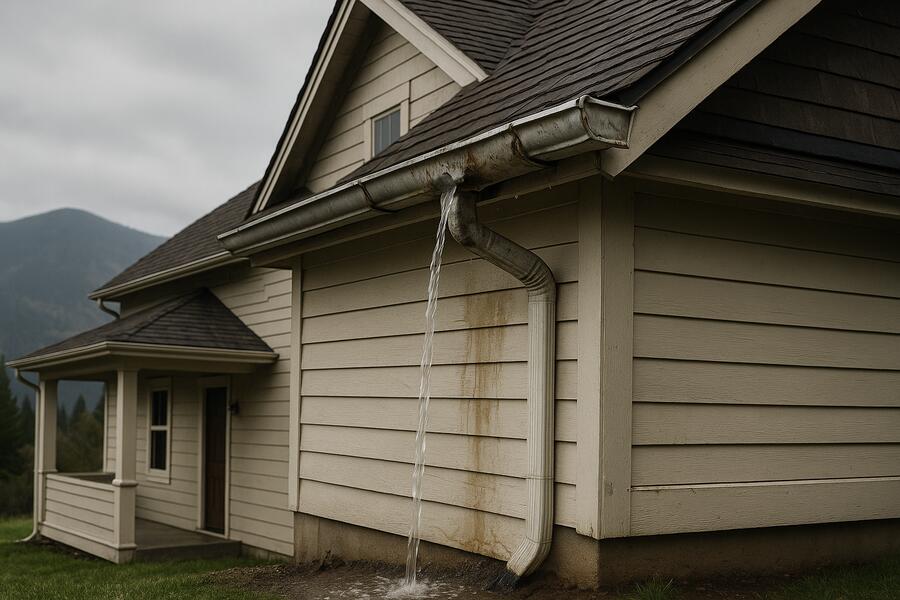
For homeowners in Missoula, MT, a reliable gutter system is essential for protecting your property from our diverse weather conditions, from heavy rains to melting snow. While routine maintenance and timely repairs can extend the lifespan of your gutters, there comes a point when replacement becomes the most cost-effective and beneficial solution. Ignoring the signs of failing gutters can lead to significant and expensive damage to your roof, fascia, foundation, and landscaping.
At Aces Seamless Gutters, we understand that deciding to replace an entire gutter system is a big decision. However, identifying the key indicators that your gutters are past their prime can save you a lot of headaches and money in the long run. We’ve seen countless homes where delaying replacement turned minor issues into major structural concerns. Recognizing these warning signs early can ensure your home remains protected and your investment secure. If you’re observing any of these issues, it may be time to consider a professional gutter installation missoula mt.
Key Indicators Your Gutters Need Replacement
1. Visible Cracks, Splits, or Holes
One of the most obvious signs your gutters are failing is the presence of physical damage to the troughs themselves.
-
Minor Cracks vs. Widespread Damage:
While a single, small crack or pinhole might be sealed with a specialized sealant, multiple cracks, splits, or holes throughout the gutter system indicate significant material fatigue or damage. These persistent breaches allow water to escape, defeating the purpose of your gutters.
-
Impact of Weather:
Temperature fluctuations, ice expansion, and constant water flow can stress the gutter material, leading to these structural failures over time.
2. Rust and Corrosion
For metal gutters, rust is a tell-tale sign of advanced deterioration.
-
Galvanized Steel Gutters:
If you have galvanized steel gutters, any significant rust spots are a clear indicator that the protective coating has worn away, and the underlying metal is corroding. This weakens the gutter and will inevitably lead to holes and leaks.
-
Aluminum Gutters:
While aluminum doesn’t rust, it can corrode, appearing as a white, powdery residue or pitting. This still compromises the material’s integrity.
-
Beyond Surface Level:
Surface rust might be treatable, but widespread or deep corrosion means the material’s lifespan is ending, making replacement necessary.
💡 Key Takeaway: Visible cracks, splits, holes, and widespread rust or corrosion are unequivocal signs that your gutter material is compromised beyond simple repair. These issues indicate advanced deterioration, rendering the system ineffective at channeling water and necessitating full replacement.
3. Sagging or Pulling Away From the Fascia
Gutters should maintain a straight, even line with a slight slope towards the downspouts. Any deviation from this indicates a serious structural issue.
-
Failed Hangers:
When gutters sag or pull away, it usually means the hangers (the brackets that secure the gutter to the fascia) have failed, are loose, or are spaced too far apart. This can be due to excessive weight from debris/water, age, or poor installation.
-
Damaged Fascia Board:
Often, sagging is a secondary indicator of a more severe problem: a rotted or damaged fascia board. If the wood behind the gutters is soft due to prolonged moisture exposure, it can no longer securely hold the gutter hangers, leading to detachment and eventual collapse.
-
Compromised Pitch:
Sagging sections create low points where water can pool, exacerbating the problem and leading to further material degradation and overflows.
4. Water Overflowing (Even in Moderate Rain)
If your gutters are overflowing during normal rainfall, not just extreme downpours, it’s a critical sign of failure.
-
Persistent Clogs:
Even if you regularly clean your gutters, persistent overflowing suggests deep-seated clogs in downspouts that are difficult to reach, or that your gutters are simply undersized for your roof’s drainage capacity and Missoula’s precipitation levels.
-
Improper Pitch:
Lack of proper slope can cause water to pool and overflow before reaching the downspouts.
-
Overwhelmed System:
An old system might simply not be able to handle the volume of water from your roof, leading to constant inefficiency.
💡 Key Takeaway: Gutters that sag, pull away from the roofline, or overflow even during moderate rain signal structural failure or a system overwhelmed beyond its capacity. These issues often point to compromised hangers, rotted fascia, or incorrect original installation, all requiring professional assessment for replacement.
5. Water Damage Around Your Home
The most alarming signs of failing gutters are often found away from the gutters themselves.
-
Peeling Paint/Stains:
Look for peeling paint on your siding, fascia, or soffits, especially directly beneath the roofline. Water stains or streaks on exterior walls are also clear indicators that water is escaping the gutters.
-
Erosion and Foundation Issues:
If you notice washed-out soil, trenches, or pooling water near your foundation after rain, it means water is not being diverted correctly. Over time, this can lead to foundation cracks, basement leaks, and costly structural damage.
-
Landscape Damage:
Eroded flower beds or damaged landscaping beneath your eaves indicate chronic overflow problems.
6. Age of Your Gutter System
Even without visible damage, age is a significant factor in gutter performance.
-
Typical Lifespan:
Most standard aluminum gutters last 20-25 years. Galvanized steel might last longer, but is prone to rust. If your gutters are approaching or exceeding this age, they are likely at the end of their functional life, even if they appear “okay” from the ground.
-
Material Fatigue:
Over decades, materials fatigue, connections weaken, and even minor flaws become more pronounced, making the system prone to failure.
| Warning Sign | What It Means | Recommended Action |
|---|---|---|
| Cracks/Holes/Rust | Material failure, widespread damage. | Full gutter system replacement. |
| Sagging/Detachment | Hanger failure, rotted fascia, incorrect pitch. | Assess fascia and hangers; likely full replacement. |
| Overflowing (clean) | Undersized system, persistent clogs, poor pitch. | Evaluate sizing/pitch; consider larger gutters or replacement. |
| Exterior Water Damage | Water escaping gutters, impacting siding, fascia, foundation. | Immediate inspection; often requires full replacement to prevent further damage. |
| System Age (20+ years) | Materials at end of lifespan, prone to failure. | Proactive replacement before significant failures occur. |
If your Missoula home’s gutters are exhibiting any of these signs, it’s more than just a cosmetic issue—it’s an indication that your primary defense against water damage is compromised. Addressing these problems promptly through replacement can protect your most valuable asset from expensive, long-term structural issues.
Have questions about signs of failing gutters? Reach out to our team today.
Frequently Asked Questions About Gutter Replacement
How long do gutters typically last in Missoula’s climate?
In Missoula’s climate, which experiences significant temperature swings, heavy snow, and rain, standard aluminum gutters typically last between 20 to 25 years. Steel gutters might last longer if well-maintained, but are more prone to rust. Copper gutters can last 50 years or more. Factors like proper installation, regular cleaning, and the presence of gutter guards can significantly impact their lifespan.
What happens if I delay replacing my failing gutters?
Delaying replacement of failing gutters can lead to a cascade of expensive problems. Water overflowing from compromised gutters can cause fascia and soffit rot, damage roof shingles, lead to wood decay in your home’s structure, promote mold and mildew growth in the attic, erode landscaping, and most critically, cause foundation cracks and basement flooding. The cost of these repairs will far exceed the cost of timely gutter replacement.
What are the benefits of installing new seamless gutters?
New seamless gutters offer numerous benefits over traditional sectional gutters. They have no seams along their horizontal runs, which significantly reduces the potential for leaks and clogs, making them more durable and requiring less maintenance. They are custom-fabricated on-site to perfectly fit your home, providing a cleaner, more attractive appearance and superior functionality. Seamless gutters also come in a variety of colors to complement your home’s exterior.

