
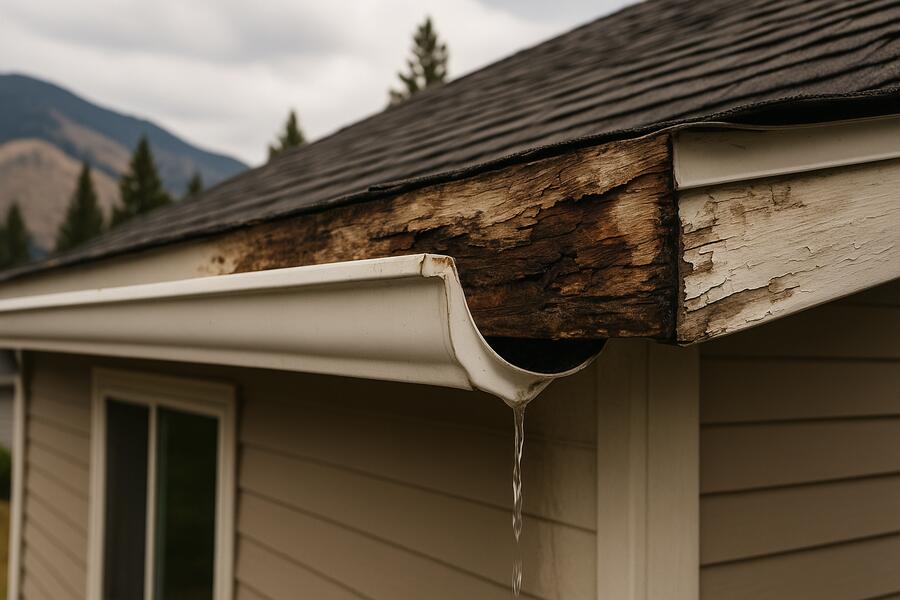
In Missoula, MT, safeguarding your home against the elements means ensuring every part of your exterior drainage system works in unison. Often, when homeowners think of water damage prevention, their minds go straight to gutters. While gutters are indeed critical, they are only as strong as the foundation they rely on: the fascia board. The fascia, the long, straight board that runs horizontally along your roofline, is what your gutters are directly attached to. When this vital component is compromised, it inevitably leads to significant gutter problems and cascading damage to your home.
At Aces Seamless Gutters, we’ve witnessed firsthand how quickly a failing fascia board can undermine an otherwise sound gutter system. What might start as a seemingly minor issue with your fascia can quickly escalate into sagging gutters, inefficient water diversion, and ultimately, costly structural damage. Understanding this crucial connection is key to proactive home maintenance. If you’re noticing issues, addressing both the gutters and the underlying fascia through professional fascia and soffit repair is essential for long-term protection.
The Critical Link: Fascia as the Gutter’s Backbone
1. How Gutters Attach to Fascia
Your gutters don’t just hang in the air; they are securely fastened to the fascia board. This board serves as the mounting surface for gutter hangers, which support the weight of the gutters, especially when they’re filled with water and debris. In Missoula, this can be a significant load during heavy snowmelt or intense rainfall.
-
Direct Support:
Gutter hangers are screwed or nailed directly into the fascia board. The integrity of this connection is paramount for keeping gutters level and securely in place.
-
Weight Distribution:
A healthy fascia board distributes the weight of the gutters evenly along the roofline, preventing localized stress points.
2. Causes of Fascia Damage
Before examining how fascia damage impacts gutters, it’s important to understand what typically causes fascia to fail in the first place.
-
Water Infiltration:
This is the leading cause. Chronic gutter overflows, leaks at seams, or even roof leaks can saturate the fascia board with moisture. Over time, this repeated wetting and drying causes the wood to swell, soften, and eventually rot.
-
Sun Exposure:
Constant exposure to UV rays can degrade paint and sealant, leaving the wood vulnerable to moisture.
-
Pest Infestation:
Soft or rotting wood can become an attractive target for insects like carpenter ants or termites, exacerbating the damage.
-
Age and Wear:
Like any building material, fascia boards have a lifespan. Older, unmaintained fascia is more susceptible to damage.
💡 Key Takeaway: The fascia board is the essential mounting surface that provides structural support for your entire gutter system. Damage to the fascia, most commonly caused by prolonged moisture exposure from overflowing or leaky gutters, directly compromises this critical support, leading to widespread gutter issues.
Cascading Effects: How Damaged Fascia Leads to Gutter Problems
1. Sagging and Detaching Gutters
This is perhaps the most immediate and visible consequence of fascia damage.
-
Weakened Fasteners:
When the fascia wood becomes soft or rotted, the screws or nails holding the gutter hangers lose their grip. They can no longer provide firm support, causing sections of the gutter to pull away from the house.
-
Improper Slope:
Sagging gutters disrupt the carefully engineered slope that directs water towards downspouts. This creates low spots where water collects and stagnates, making the problem worse by adding weight and further saturating the fascia.
-
Gutter Collapse:
In severe cases, a completely rotted fascia can no longer support the weight of full gutters, leading to a partial or complete collapse of the gutter run.
2. Reduced Drainage Efficiency and Overflow
Even before gutters visibly sag, fascia damage can impact their ability to function.
-
Misalignment:
As the fascia warps or deteriorates, it can cause the gutter to twist or become misaligned, preventing water from flowing smoothly. Water may then spill over the front edge of the gutter or, worse, seep behind it directly against the house.
-
Increased Clogging:
Poorly pitched or sagging gutters are more prone to accumulating leaves and debris because water flow is sluggish or standing. These clogs exacerbate overflows and put even more stress on the compromised fascia.
💡 Key Takeaway: A damaged fascia board directly causes gutters to sag, detach, and lose their critical slope. This leads to inefficient water flow, increased debris accumulation, persistent overflowing, and can even result in sections of the gutter collapsing under the weight of water and snow.
3. Accelerated Gutter Deterioration
Fascia damage doesn’t just affect how gutters are held; it also contributes to their premature aging.
-
Material Stress:
Gutters constantly pulling away from a weak fascia are under immense stress, leading to cracks, splits, and seam separation in the gutter material itself.
-
Rust and Corrosion:
If gutters are perpetually holding standing water due to poor pitch caused by fascia damage, metal gutters can rust and corrode much faster, further shortening their lifespan.
4. Further Damage to Your Home
The cycle of damage extends far beyond just the gutters and fascia.
-
Soffit and Rafter Damage:
Water that gets behind the fascia can saturate the soffit (the underside of the eaves) and even the ends of your roof rafters, leading to rot and structural compromise.
-
Siding and Exterior Wall Damage:
Overflowing gutters direct water directly onto your home’s siding, causing peeling paint, mold growth, and eventual rot of wood siding.
-
Foundation Problems:
Persistent water accumulation around the foundation due to ineffective gutters is a recipe for foundation cracks, basement leaks, and expensive structural repairs.
| Fascia Problem | How It Manifests | Consequence for Gutters |
|---|---|---|
| Rot/Soft Wood | Peeling paint, dark stains, soft/crumbling wood. | Hangers pull out, gutters sag, detach, lose pitch. |
| Warping/Distortion | Visibly bent or uneven fascia board. | Gutter alignment compromised, causing overflows. |
| Pest Damage | Holes, sawdust, weakened sections. | Structural integrity compromised; hangers detach. |
For homeowners in Missoula, maintaining a healthy fascia board is just as crucial as maintaining your gutters themselves. When you notice peeling paint, soft spots, or any signs of damage on your fascia, it’s a clear warning that your entire gutter system is at risk. Addressing fascia damage promptly is not just a repair; it’s an investment in the long-term health and protection of your entire home.
Have questions about fascia damage and gutter issues? Reach out to our team today.
Frequently Asked Questions About Fascia Damage and Gutters
What are the common signs of fascia damage I should look for?
Common signs of fascia damage include peeling or bubbling paint along the roofline, dark water stains on the fascia or siding below it, wood that feels soft or spongy to the touch (indicating rot), visible cracks or holes, or gutters that are pulling away or sagging significantly from the house. If you notice birds, insects, or rodents nesting in openings near the fascia, this can also indicate deterioration.
Can I repair fascia damage myself, or should I hire a professional?
Minor fascia damage, such as a small section of peeling paint, might be a DIY task. However, if the wood is soft, crumbly, or significantly rotted, or if the damage extends to multiple sections or appears structural, it’s strongly recommended to hire a professional. Repairing or replacing fascia often involves working at heights, matching materials, and ensuring proper flashing and integration with your roof and gutters, which requires specialized skills and equipment.
How can I prevent fascia damage from occurring in the first place?
The best prevention for fascia damage is proactive gutter maintenance. Regularly clean your gutters to prevent clogs and overflows, ensure your gutters are properly pitched and securely fastened, repair any leaks or sagging gutters promptly, and consider installing gutter guards to keep debris out. Additionally, ensure your roof’s drip edge extends sufficiently into the gutter to prevent water from running behind the fascia.

