
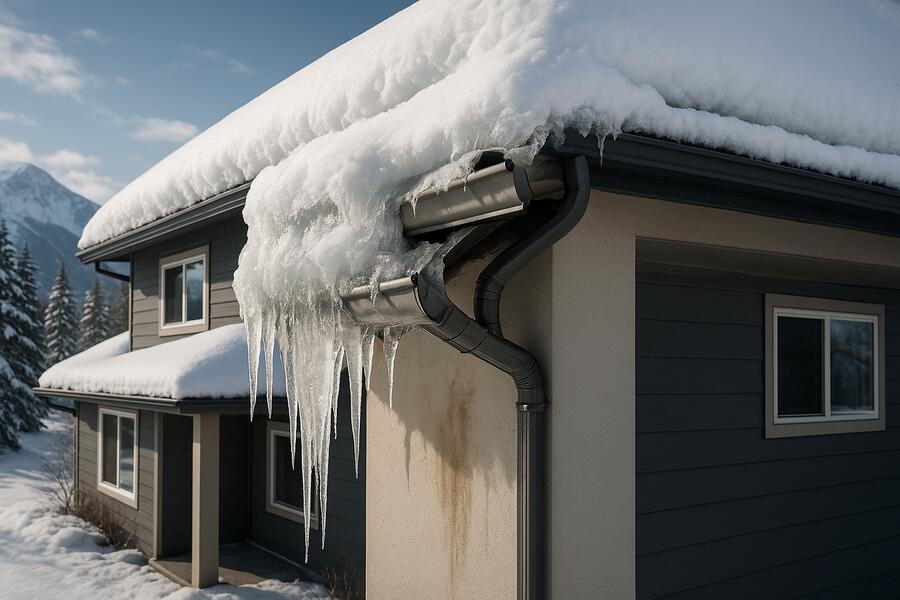
For homeowners in Missoula, MT, winter brings beautiful landscapes but also significant challenges to home maintenance. Among the most vulnerable components are your gutters, which bear the brunt of heavy snowfall and fluctuating temperatures. Understanding how ice and snow gutter damage occurs is crucial for protecting your home from costly repairs and ensuring your drainage system functions effectively when spring arrives.
At Aces Seamless Gutters, we routinely see the aftermath of harsh winters: bent gutters, detached sections, and widespread water damage—all stemming from the immense pressure exerted by ice and snow. It’s not just the weight; it’s the insidious freeze-thaw cycle that repeatedly stresses and weakens your gutter system. Recognizing these mechanisms is the first step in preventing damage and knowing when to call for reliable gutter repair near me.
The Crushing Weight of Snow and Ice
1. Direct Weight Stress
While fresh snow might seem light and fluffy, accumulated snow, especially when it becomes wet and compacted, is incredibly heavy. This weight directly loads your gutters.
-
Sagging Gutters:
The sheer weight of snow and ice accumulation can cause gutters to sag between hangers, compromising their essential pitch and ability to drain water properly.
-
Detached Gutters:
Excessive weight can pull gutters entirely away from the fascia board, ripping out fasteners and damaging the underlying wood. In severe cases, entire sections can collapse.
-
Bent and Warped Channels:
The continuous pressure can permanently deform the gutter channels, leading to bending and warping that makes them ineffective at channeling water.
2. Damage to Hangers and Fasteners
The mounting hardware that secures your gutters to your home is particularly vulnerable to winter stresses.
-
Strained Hangers:
Gutter hangers are designed to support a certain amount of weight. Snow and ice can easily exceed these limits, causing hangers to bend, break, or pull out of the fascia.
-
Compromised Fasteners:
The screws or spikes holding the hangers (and thus the gutters) in place can loosen or pull free from the wood over time, especially with repeated strain.
💡 Key Takeaway: The immense weight of accumulated snow and ice directly stresses gutters, causing them to sag, bend, warp, or even detach entirely. This heavy load also overstrains and damages gutter hangers and fasteners, leading to structural failure of the entire system.
The Destructive Freeze-Thaw Cycle
1. Water Expansion Upon Freezing
Water is unique in that it expands when it freezes, exerting immense pressure—a force that even strong materials struggle to resist.
-
Clogged Gutters:
If gutters are not thoroughly cleaned before winter, trapped leaves and debris will hold water. When this water freezes, it expands, pushing against the gutter walls and seams.
-
Cracked and Separated Seams:
In sectional gutters, the expansion of ice can force open seams and joints, leading to cracks and separations that allow water to leak out once thawed.
-
Warped Downspouts:
Ice can also form and expand within downspouts, potentially cracking or warping them, and preventing proper drainage.
2. The Formation of Ice Dams
Ice dams are a particularly insidious form of winter damage, causing problems far beyond the gutters themselves.
-
How They Form:
Ice dams occur when snow on the roof melts (due to heat loss from the attic or sun exposure), runs down the roof, and then refreezes upon reaching the colder eaves and gutters. This creates a barrier of ice.
-
Water Backup:
This ice barrier prevents subsequent snowmelt from draining into the gutters. Instead, water backs up behind the dam, seeping under shingles and into your attic, walls, and ceilings.
-
Extensive Interior Damage:
Ice dams are a major cause of interior water damage, including stained ceilings, peeling paint, ruined insulation, and structural rot.
💡 Key Takeaway: The freeze-thaw cycle is highly destructive; as water trapped in gutters freezes, it expands, cracking seams and warping downspouts. This process also creates ice dams, which cause water to back up under roof shingles, leading to severe interior water damage and structural issues.
Preventing Winter Gutter Damage
While you can’t control the weather, you can take steps to minimize ice and snow gutter damage:
- Thorough Fall Cleaning: Ensure your gutters are completely clear of leaves and debris before winter sets in. This is the single most effective preventative measure.
- Proper Installation: Well-installed gutters with sufficient hangers and correct pitch are more resilient to winter stresses.
- Good Attic Ventilation and Insulation: Reducing heat loss from your attic helps keep the roof surface temperature consistent, minimizing snowmelt and ice dam formation.
- Gutter Guards: Certain types of gutter guards, particularly those designed to shed debris, can help keep gutters clear, reducing the amount of water available to freeze.
- Heat Cables: For persistent ice dam problems, strategically installed heat cables can melt paths for water drainage.
| Damage Cause | Mechanism of Damage | Resulting Issues |
|---|---|---|
| Weight of Snow/Ice | Overloads hangers, pulls gutters away from fascia. | Sagging, bending, detachment, structural failure of gutters. |
| Freeze-Thaw Cycles | Water expands when frozen, repeated stress. | Cracked seams, warped downspouts, accelerated corrosion. |
| Ice Dam Formation | Melted snow refreezes at eaves, blocking drainage. | Water backup under shingles, roof leaks, interior water damage. |
Protecting your gutters from ice and snow damage in Missoula is an ongoing battle, but a winnable one with proper preparation and maintenance. Understanding the forces at play—the sheer weight of winter precipitation and the relentless expansion of freezing water—empowers you to take proactive steps. Don’t let winter weather compromise your home’s most vital drainage system.
Have questions about how ice and snow cause gutter damage? Reach out to our team today.
Frequently Asked Questions About Winter Gutter Damage
What are the signs of ice and snow damage to gutters?
Look for several key indicators: gutters that are visibly sagging or pulling away from the fascia, bent or warped sections of the gutter channel, cracks or splits in the gutter material (especially at seams), dislodged downspouts, or ice formations that extend significantly beyond the gutter edge (icicles or ice dams). Inside your home, water stains on ceilings or walls near the exterior walls are a definitive sign of water intrusion, often from ice dams.
Can I clear ice and snow from my gutters myself?
While possible, clearing ice and snow from gutters yourself can be very dangerous and is often not recommended. Working on ladders in winter conditions (ice, snow, cold, slippery surfaces) carries a high risk of falls and injury. Additionally, using improper tools or techniques to chip away at ice can severely damage your gutters and roof. It’s often safer and more effective to hire professionals who have the right equipment and experience.
Do gutter guards prevent ice and snow damage?
Gutter guards can help prevent some forms of winter damage, primarily by keeping leaves and debris out, which reduces the chances of water getting trapped and freezing. However, no gutter guard can completely prevent ice and snow issues. Snow can still accumulate on top of gutter guards, and ice dams can still form on the roof edge above them if attic heat loss is a factor. Some types of guards may even exacerbate ice formation in certain conditions. It’s important to choose guards appropriate for your climate and tree types.

