
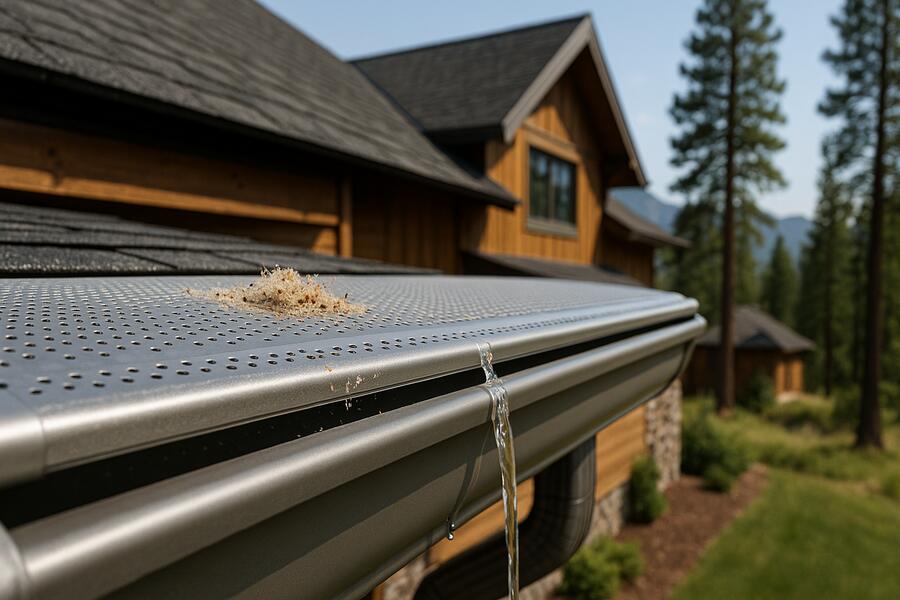
As a homeowner in Missoula, MT, you understand the constant battle against leaves, pine needles, and debris that inevitably clog your gutters. Gutter guards are often marketed as the ultimate solution, promising to eliminate gutter cleaning entirely. While they significantly reduce maintenance and offer substantial benefits, the honest truth is that no gutter guard system completely removes the need for occasional attention. It’s about setting realistic expectations and understanding what gutter guards truly prevent versus what still requires periodic inspection and light cleaning.
At Aces Seamless Gutters, we install high-quality gutter guards missoula mt, and we believe in transparent communication about their capabilities. We’ve seen how effective they are at preventing major clogs and blockages, but also how fine debris can still accumulate. This guide will clarify the real role of gutter guards, helping you understand how they protect your home and what minimal maintenance might still be necessary.
What Gutter Guards Effectively Prevent
Gutter guards are incredibly effective at stopping the bulk of debris from entering your gutter troughs.
1. Major Clogs from Leaves and Large Debris
This is where gutter guards truly shine.
-
Blocked Downspouts:
The primary benefit of gutter guards is preventing large leaves, twigs, and other significant organic matter from accumulating inside the gutters and, critically, from blocking downspouts. Blocked downspouts are the leading cause of overflowing gutters, which can lead to fascia rot, foundation damage, and basement flooding.
-
Reduced Gutter Weight:
By keeping large debris out, gutter guards prevent heavy buildup of wet leaves and ice, reducing the strain on your gutter hangers and minimizing the risk of sagging or pulling away from your home.
2. Nesting Pests and Critters
Gutters can become attractive homes for various creatures.
-
Discouraging Pests:
Gutter guards create a barrier that largely prevents birds, squirrels, rodents, and insects from nesting in your gutters. This protects your system from structural damage caused by their activity and prevents potential entry points into your attic or eaves.
💡 Key Takeaway: Gutter guards are highly effective at preventing major clogs from leaves and large debris, which significantly reduces the risk of overflowing gutters and costly water damage. They also deter pests from nesting, safeguarding your gutter system and potentially your home from unwanted intrusions.
What Still Requires Occasional Attention
While guards keep big debris out, microscopic particles and environmental factors can still necessitate periodic, light cleaning.
1. Fine Debris Accumulation on Top of Guards
Even the best micro-mesh guards can accumulate fine particles.
-
Pollen, Shingle Grit, and Silt:
Over time, fine particles like pollen, asphalt shingle grit, dust, and tiny silt can settle on top of even the tightest mesh or solid gutter guards. This accumulation can form a thin layer that, if left unattended, might impede water flow into the gutter trough.
-
“Helicopters” and Seed Pods:
Certain tree seeds (like maple “helicopters”) or small seed pods can sometimes get lodged in mesh openings or accumulate on solid guards, requiring removal.
2. The Need for Periodic Flushing and Inspection
A functional gutter system requires more than just clear troughs.
-
Flushing Inside the Gutter:
While guards keep most debris out, some fine material might still make its way into the trough, especially with heavy rainfall. A periodic flush with a garden hose ensures any settled silt or small particles are washed through the downspouts.
-
Downspout Checks:
Even with guards, downspouts should be checked annually to ensure they are completely clear and flowing freely. Sometimes small objects or animal nests can still block them, or accumulated fine debris can create clogs over many years.
-
Guard Surface Cleaning:
The top surface of the gutter guards themselves may need a light sweep or rinse once or twice a year to remove accumulated pollen, grit, or sticky residue that could reduce their efficiency.
💡 Key Takeaway: Despite their effectiveness, gutter guards still require occasional maintenance. Fine debris like pollen and shingle grit can accumulate on top, and periodic flushing of the gutter trough and inspection of downspouts are necessary to ensure optimal, long-term performance and prevent subtle blockages.
Setting Realistic Expectations: Reduced Maintenance, Not Zero
The goal of gutter guards is to transform a frequent, arduous task into a minimal one.
-
From Multiple Cleanings to Annual Inspection:
Instead of cleaning your gutters multiple times a year (especially during peak leaf fall in Missoula), with gutter guards, you can expect an annual inspection and light surface cleaning. This could involve brushing off the top of the guards and flushing the system with water.
-
Protecting Your Investment:
Regular (even if minimal) attention to your guarded gutters ensures your investment continues to perform at its best, providing continuous protection for your home without the risks and heavy labor of traditional gutter cleaning.
| Scenario | Without Gutter Guards | With Gutter Guards |
|---|---|---|
| Large Debris (Leaves, Twigs) | Full gutter cleaning required (multiple times/year). | Blocked effectively, minimal accumulation. |
| Fine Debris (Pollen, Grit, Silt) | Accumulates in trough, requires flushing. | Accumulates on guard surface and some in trough, requires light surface cleaning/flushing (1-2 times/year). |
| Downspout Clogs | Very common. | Rare, but still warrant annual check. |
| Pest Infestation | High risk. | Greatly reduced risk. |
So, do gutter guards stop the need for cleaning? Not entirely, but they dramatically reduce the frequency and intensity of gutter maintenance. For Missoula homeowners, this translates to fewer dangerous ladder climbs, less time spent on a tedious chore, and superior long-term protection against water damage. Investing in quality gutter guards is about smart home maintenance, shifting from reactive, heavy cleaning to proactive, light upkeep.
Have questions about whether gutter guards stop the need for cleaning? Reach out to our team today.
Frequently Asked Questions About Gutter Guards and Cleaning
How often should I clean my gutter guards?
While the frequency can depend on your specific environment (e.g., proximity to trees), most gutter guard manufacturers and professionals recommend a light surface cleaning and inspection once or twice a year. This involves brushing off any accumulated pollen, shingle grit, or small debris from the top of the guards and flushing the gutters with a hose to ensure clear flow. This is a far cry from the intensive cleaning required for unguarded gutters.
What tools do I need to clean gutter guards?
For most surface cleaning of gutter guards, you’ll need relatively simple tools. A soft-bristle brush, a garden hose with an adjustable nozzle, and a sturdy, stable ladder (or a telescoping pole system for ground-level cleaning) are typically sufficient. Always prioritize safety when working on a ladder. Avoid using high-pressure washers directly on delicate mesh guards, as it could cause damage.
Can gutter guards cause ice dams?
Poorly installed or low-quality gutter guards can potentially contribute to ice dams, though they are not a direct cause. If guards allow debris to accumulate or water to sit on their surface, it can freeze and exacerbate ice buildup. However, properly installed, high-quality gutter guards (especially those designed for cold climates) are designed to shed debris and allow water to flow freely, thereby helping to mitigate the conditions that lead to ice dams. The primary cause of ice dams is poor attic insulation and ventilation, not typically gutter guards themselves.

