
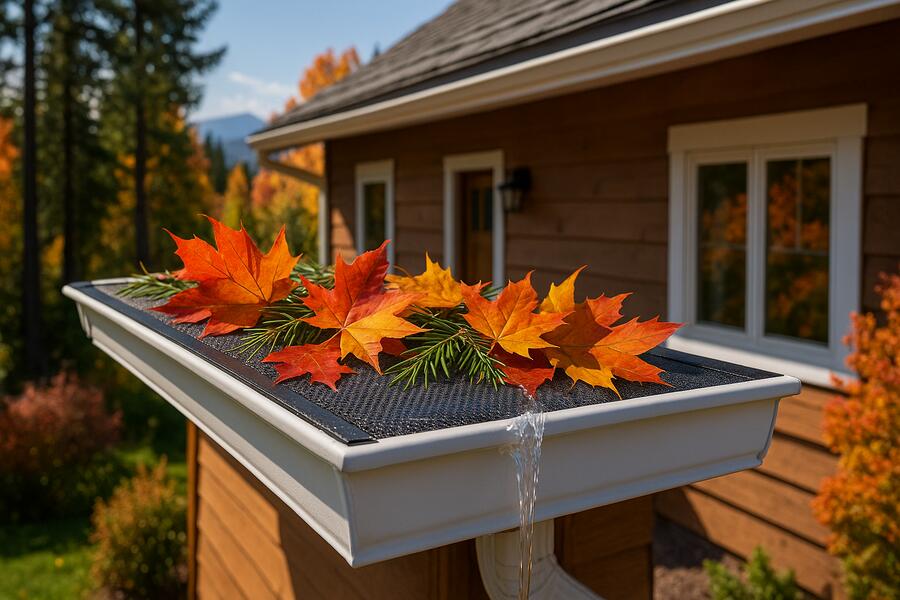
For homeowners in Missoula, MT, clogged gutters are a perennial nuisance, especially with the abundant trees common in our area. The endless cycle of leaves, pine needles, and debris can lead to overflowing gutters, ice dams, and costly water damage. Gutter guards offer a compelling solution to dramatically reduce the frequency of gutter cleaning and provide a layer of protection against these issues. Many assume that installing guards requires a brand-new gutter system, but the good news is that most types of guards can be retrofitted onto your existing gutters.
At Aces Seamless Gutters, we routinely help homeowners upgrade their current gutter systems by adding guards. We understand the unique challenges our local climate presents, and for those looking for effective leaf guards, we offer solutions designed to integrate seamlessly with existing setups. This guide will cover what’s involved in adding guards to existing gutters, focusing on the crucial steps and considerations to ensure a successful and long-lasting installation.
Pre-Installation Checklist: Is Your Existing System Ready?
Before adding guards, your gutters need to be in good shape.
1. Assess Gutter Condition
Guards work best on healthy gutters.
-
Structural Integrity:
Your existing gutters must be structurally sound. This means no significant sagging, pulling away from the fascia, or widespread rust-through. Guards add a small amount of weight, and a compromised gutter system won’t support them effectively. Inspect hangers for looseness and ensure all sections are firmly attached.
-
Proper Pitch:
Gutters need a slight downward slope towards the downspouts to ensure proper drainage. If your existing gutters have areas with standing water, adding guards won’t fix this underlying issue; it will only trap debris and water on top of the guards themselves. Any pitch issues should be corrected before guard installation.
2. Thorough Cleaning is Non-Negotiable
A clean slate is essential for effective guards.
-
Remove All Debris:
This is arguably the most critical step. Before guards are installed, every speck of leaves, pine needles, twigs, shingle grit, and compacted mud must be removed from the gutter trough. Even small amounts of debris left behind can cause clogs underneath the guards, defeating their purpose.
-
Flush the System:
After manual cleaning, flush the gutters and downspouts thoroughly with a garden hose. This ensures that downspouts are clear and verifies that water flows freely, indicating there are no hidden blockages that the guards would then cover up.
💡 Key Takeaway: Before adding guards to existing gutters, a thorough pre-installation check is crucial. Your gutters must be structurally sound with no sagging or rust, and maintain a proper pitch for drainage. Non-negotiably, all existing debris must be meticulously removed and the entire system flushed to ensure optimal performance of the new guards.
Choosing and Installing Guards on Existing Gutters
The installation process is generally straightforward but varies by guard type.
1. Selecting the Right Guard Type
Compatibility with your existing gutters is key.
-
Measure Your Gutters:
Gutter guards come in various widths and styles. You’ll need to accurately measure the width and style (e.g., K-style, half-round) of your existing gutters to ensure compatibility. Most guards are designed to fit standard 5-inch or 6-inch gutters.
-
Types Suited for Retrofitting:
Most common guard types—screens, micro-mesh, and some reverse-curve systems—are designed for retrofitting. Foam inserts are also easy to add. Brush inserts are simply laid into the gutter. Some heavy-duty systems might require specific mounting hardware, but generally, they’re adaptable.
2. Installation Steps (General)
While specific steps vary, the core process is similar.
-
Preparation:
Once gutters are clean and inspected, gather your chosen gutter guards, necessary tools (tin snips for cutting, screws/tape for fastening, measuring tape, drill, ladder), and safety gear.
-
Starting Point:
Begin at one end of a gutter run, typically near a downspout, and work your way across. This ensures consistent overlap and alignment.
-
Securing the Guards:
Most guards will either slide under the first course of shingles and clip to the front lip of the gutter, or they will screw directly into the gutter’s front lip or fascia board. Some guards use a combination of methods, or even adhesive tape (e.g., 3M VHB tape) for attachment. Ensure a secure fit that can withstand wind and moderate debris.
-
Cutting to Fit:
You will need to cut sections of the guard to fit around corners, downspout outlets, and the end of each gutter run. Tin snips are typically used for metal or plastic guards, while a utility knife works for foam.
💡 Key Takeaway: When adding guards to existing gutters, first accurately measure your gutters to ensure compatibility with your chosen guard type (screens, micro-mesh, reverse-curve, foam, and brush guards are common retrofit options). Installation typically involves starting at one end, securing guards by clipping, screwing, or adhering them, and cutting sections to fit around downspouts and corners, ensuring a tight, secure fit.
| Gutter Guard Type | Installation Method (Retrofit) | Key Considerations |
|---|---|---|
| Screen Guards | Clip to front lip, slide under shingles, or secure with screws. | Basic debris protection, may allow small particles. |
| Micro-Mesh Guards | Typically slide under shingles, screw to front lip. | Excellent small debris protection, can be pricier. |
| Reverse-Curve Guards | Often slide under shingles, attach with specific brackets. | Highly effective, less DIY-friendly for precise fit. |
| Foam Inserts | Simply cut to fit and place into the gutter trough. | Very easy DIY, can trap fine debris, potentially degrade. |
| Brush Inserts | Lay directly into the gutter trough. | Simple, but brushes themselves can trap fine debris/pine needles. |
Adding guards to existing gutters is a highly effective way to reduce maintenance and protect your Missoula home from water damage. The key to a successful retrofit lies in ensuring your existing gutters are in optimal condition, performing a meticulous cleaning, and selecting the right type of guard for your needs. While some homeowners opt for DIY installation, consulting with professionals like Aces Seamless Gutters can ensure proper fit, secure attachment, and long-term performance, giving you lasting peace of mind.
Have questions about adding guards to existing gutters? Reach out to our team today.
Frequently Asked Questions About Gutter Guard Retrofitting
Do I need to replace my gutters to install gutter guards?
No, in most cases, you do not need to replace your gutters to install gutter guards. Most gutter guard systems are specifically designed to be retrofitted onto existing gutters, provided the gutters are in good structural condition, properly pitched, and thoroughly cleaned. Only if your existing gutters are severely damaged, sagging, or incorrectly installed would replacement be a prerequisite for effective guard installation.
What kind of maintenance is required for gutter guards after installation?
While gutter guards significantly reduce maintenance, they don’t eliminate it entirely. You’ll still need to periodically inspect them, especially after heavy storms or during peak shedding seasons (e.g., fall). Some guards may require brushing off surface debris (like pine needles or seed pods) that can accumulate on top. Downspouts should still be checked occasionally to ensure they remain clear. The frequency of this maintenance depends on your home’s surroundings and the type of guard installed.
Can I install gutter guards myself, or should I hire a professional?
The feasibility of DIY gutter guard installation depends on your comfort level with heights, the complexity of your roofline, and the type of guards you choose. Simple snap-in screens or brush inserts are generally DIY-friendly. However, micro-mesh or reverse-curve systems often require more precise cutting, secure fastening, and working at height, which can be challenging and dangerous. For multi-story homes, steep roofs, or if you’re unsure, hiring a professional ensures safety, proper installation, and often comes with a workmanship warranty.

