
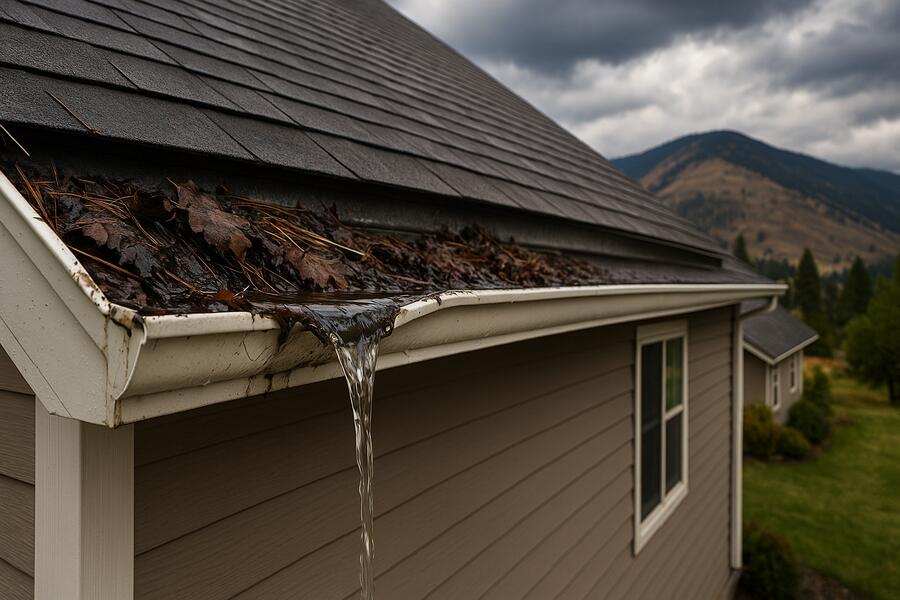
As a homeowner in Missoula, MT, you rely on your gutter system to efficiently channel rainwater and melted snow away from your home’s foundation. When gutters are functioning properly, they’re often out of sight, out of mind. However, a common and problematic issue that can arise is sagging gutters. These unsightly dips aren’t just an aesthetic concern; they’re a clear sign that your drainage system is failing, putting your home at risk for water damage.
At Aces Seamless Gutters, we’ve seen countless cases where sagging gutters have led to more significant, costly problems. Understanding the underlying causes of sagging gutters is the first step toward effective prevention and repair. This knowledge empowers you to spot issues early and take action before minor sags turn into major structural headaches. If you’re noticing your gutters pulling away or dipping, it’s time to investigate. To learn more about how we can help, read on.
The Top Reasons Your Gutters Are Sagging
1. Accumulation of Debris and Standing Water
This is by far the most frequent culprit behind sagging gutters. The weight of debris and water can become immense, far exceeding what gutters are designed to hold.
-
Leaves, Twigs, and Sediment:
Over time, gutters become filled with fallen leaves, twigs, pine needles, shingle grit, and other organic matter. This debris acts like a sponge, soaking up and retaining water.
-
Excessive Weight:
A gutter filled with wet leaves and standing water can become incredibly heavy. This excessive weight puts immense strain on the gutter hangers and the fascia board, causing the gutter to pull away, sag, or even detach entirely.
-
Blocked Downspouts:
If downspouts are clogged, water cannot drain, leading to standing water in the gutter trough. This pooling water adds significant, constant weight, exacerbating the sag and creating an ideal environment for accelerated material degradation.
💡 Key Takeaway: The most common cause of sagging gutters is the excessive weight from accumulated debris and standing water, which can overload the system and cause it to pull away from the fascia. Regular cleaning is crucial for prevention.
2. Failed or Insufficient Gutter Hangers
The hangers are the structural components that secure your gutters to your home. When these fail, the gutter’s ability to stay level is compromised.
-
Loose or Damaged Fasteners:
Over time, screws or spikes used to attach hangers can work their way loose, strip out of the fascia wood, or corrode. This is especially common with older spike-and-ferrule systems, where the spikes can back out under stress.
-
Improper Spacing:
If hangers were installed too far apart during the initial installation, the gutter sections in between won’t have adequate support. This lack of support means the gutter will naturally sag under its own weight, let alone when filled with water.
-
Weak Hanger Type:
Using inadequate or low-quality hangers that aren’t designed for the expected load (e.g., heavy snow, continuous rain) can lead to premature failure and sagging.
3. Deteriorated Fascia Board
Since gutters attach to the fascia board, the condition of this underlying wood is paramount to gutter stability.
-
Wood Rot:
Persistent moisture exposure from overflowing gutters, roof leaks, or poor drip edge installation can cause the fascia board to rot. Rotten wood is soft and cannot securely hold gutter hangers, leading to detachment and sagging.
-
Pest Damage:
Insects like carpenter ants or termites can tunnel through and weaken the fascia, compromising its ability to support the gutters.
💡 Key Takeaway: Failed or improperly spaced gutter hangers are a major contributor to sagging. Furthermore, a deteriorated or rotted fascia board, often caused by previous water overflow, cannot provide a secure anchor for the hangers, leading to gutter detachment.
4. Improper Installation or Pitch
Sometimes, the problem isn’t wear and tear but a flaw from the beginning.
-
Incorrect Slope:
Gutters need a slight, continuous slope (typically 1/4 inch per 10 feet) towards the downspout to ensure efficient drainage. If a section of gutter was installed flat or with an insufficient pitch, water will collect in that low point, creating standing water and persistent weight that leads to sagging.
-
Insufficient Sizing:
Gutters that are too small for your roof’s drainage area or the typical rainfall in Missoula can be easily overwhelmed, leading to frequent overflows and stress on the system, which eventually causes sagging.
5. Heavy Snow and Ice Loads
In colder climates like Missoula, winter weather poses a unique threat to gutters.
-
Ice Dams:
Ice dams forming in gutters or at the roof edge can add enormous weight to the gutter system. The expansion and contraction of ice can also stress hangers and material.
-
Snow Weight:
Heavy, wet snow accumulation in gutters or sliding off the roof can deform and pull down gutters, especially if they are already compromised or not adequately supported.
| Cause of Sagging | Description | Prevention / Solution |
|---|---|---|
| Debris & Water Weight | Gutters filled with leaves, twigs, standing water from clogs. | Regular gutter cleaning (2x/year), gutter guards. |
| Failed Hangers | Loose, corroded, or improperly spaced hangers/fasteners. | Upgrade to modern hangers, correct spacing, professional installation. |
| Rotted Fascia | Underlying wood fascia is compromised by moisture or pests. | Address source of moisture, repair/replace fascia. |
| Improper Installation | Incorrect pitch, insufficient gutter sizing for roof. | Professional installation with proper calculations. |
| Heavy Snow/Ice | Weight of ice dams or heavy snow accumulation. | Snow removal, ice melt systems, robust hangers. |
Sagging gutters are a red flag that should never be ignored. By understanding these common causes, homeowners in Missoula can take proactive steps to maintain their gutter systems, prevent further damage, and ensure their home remains protected from the elements.
Have questions about the causes of sagging gutters? Reach out to our team today.
Frequently Asked Questions About Sagging Gutters
Can sagging gutters lead to foundation problems?
Absolutely. Sagging gutters prevent water from being properly channeled away from your home. When water overflows, it often cascades directly down to the foundation, leading to soil erosion, cracks in the foundation, basement leaks, and even structural instability over time. This is why addressing sagging gutters promptly is crucial.
How often should I clean my gutters to prevent sagging?
In Missoula, with its varied weather and often nearby trees, it’s generally recommended to clean your gutters at least twice a year: once in the late spring after tree pollen and small debris have settled, and again in late fall after all the leaves have dropped. If your property is heavily treed, more frequent cleaning might be necessary.
Is it possible to fix sagging gutters myself, or do I need a professional?
Minor sagging caused by a single loose hanger might be a DIY fix if you’re comfortable working on a ladder and have the right tools. However, if the sag is extensive, involves multiple sections, is caused by rotted fascia, or requires adjusting the gutter’s pitch, it’s highly recommended to call a professional. Professionals can accurately diagnose the root cause, ensure proper slope, replace damaged components, and ensure the repair is safe and long-lasting.

