
Gutter protection systems are designed to save you time and hassle by keeping leaves and debris out of your gutters. When installed correctly, they can significantly reduce the need for frequent cleaning and help prevent costly water damage to your home in Missoula, MT. However, even the best gutter guards can fail if they aren’t installed properly. Many homeowners invest in these systems expecting a maintenance-free experience, only to find themselves still dealing with clogs and overflows due to common gutter protection installation mistakes.
At Aces Seamless Gutters, we’ve seen firsthand how crucial proper installation is to the effectiveness of any gutter protection system. Our expertise in fitting gutter guards missoula mt homeowners rely on ensures your system performs as intended. This guide will walk you through common errors that reduce the effectiveness of gutter guards, from incorrect angles and improper fastening to overlooked details at seams and downspout connections.
Mistake 1: Skipping Gutter Preparation
Installation isn’t just about the guard; it’s about the gutter underneath.
1. Installing Over Dirty or Damaged Gutters
A clean slate is essential for effective protection.
-
Hidden Debris and Clogs:
Putting gutter guards over gutters that are already full of leaves, shingle grit, or mud is a recipe for disaster. This trapped debris will decompose, cause hidden clogs, and can lead to corrosion of the gutter trough itself. Water will still back up, overflowing the gutters even with guards in place.
-
Pre-existing Damage:
If your gutters are sagging, leaking, or improperly pitched before guard installation, these issues won’t magically disappear. In fact, installing guards might even exacerbate them. Always ensure gutters are thoroughly cleaned, repaired, and properly aligned before adding any protection system.
2. Ignoring Gutter Slope and Pitch
Ensuring water flows correctly.
-
Water Flow Issues:
Gutters need a slight pitch towards the downspouts (typically 1/4 inch per 10 feet) to ensure water drains effectively. If guards are installed on gutters with an incorrect or negative slope, water will pool, leading to stagnant water, breeding insects, and potentially overflowing over the guards themselves.
-
Professional Adjustment:
A professional installer will inspect and adjust your gutter’s pitch as needed before installing guards, ensuring optimal water flow beneath the protection system.
💡 Key Takeaway: A crucial gutter protection installation mistake is neglecting proper gutter preparation. Installing guards over dirty, damaged, or improperly pitched gutters will trap debris, cause hidden clogs, and lead to overflows, undermining the system’s effectiveness. Always ensure gutters are thoroughly cleaned, repaired, and correctly aligned with the appropriate slope before any guard installation.
Mistake 2: Improper Installation Techniques
The details make all the difference in performance and longevity.
1. Incorrect Mounting Angle or Position
Affecting both debris shedding and water intake.
-
“Waterfall Effect”:
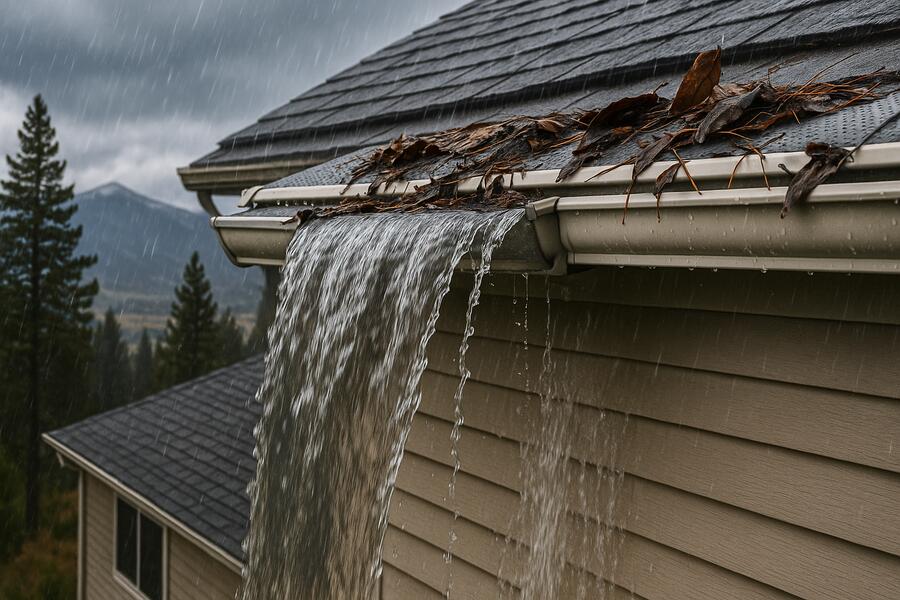
One of the most common complaints with gutter guards is water “sheeting” or “waterfalling” over the top during heavy rain. This often happens when guards are installed too flat or at an incorrect angle, preventing water from adequately entering the gutter system. The manufacturer’s specified mounting angle is critical.
-
Insufficient Overhang:
If the guard doesn’t extend far enough or is positioned incorrectly relative to the roof edge, water can simply run off the roof, bypass the guard, and fall directly to the ground next to the foundation.
2. Damaging the Roof or Shingles
Compromising your entire roof system.
-
Lifting or Screwing Into Shingles:
Some gutter guard types require sliding under the first row of shingles. If done incorrectly, this can lift or damage shingles, compromising your roof’s waterproof seal and potentially voiding roof warranties. Screwing guards directly into shingles is an even worse mistake, creating unnecessary holes and leak points.
-
Ignoring Drip Edge:
The drip edge is a metal flashing that directs water from the roof into the gutter. Gutter guards should ideally sit underneath the drip edge to ensure all water makes it into the system, without obstructing its function.
3. Gaps at Seams, Corners, and Downspouts
Leaving entry points for debris and pests.
-
Unsealed Joints:
Even with full gutter protection, if there are gaps where sections of guards meet, at corners (miters), or around downspout openings, debris will find its way in. These small openings also become entry points for birds, rodents, and insects seeking shelter.
-
Improper Fastening:
Guards need to be securely fastened according to manufacturer specifications (e.g., every 12-18 inches). Improper fastening can lead to guards shifting, rattling in wind, or detaching, especially in Missoula’s variable weather.
💡 Key Takeaway: Common gutter protection installation mistakes include incorrect mounting angles, which can cause water to “waterfall” over the guards, and improper positioning that allows water to bypass the system. Critically, some installation methods can damage roofing shingles by lifting or screwing into them, compromising the roof’s integrity. Additionally, neglecting to seal gaps at seams, corners, and downspouts leaves openings for debris and pests, severely reducing the guards’ effectiveness.
| Installation Mistake | Problem It Causes | Professional Solution |
|---|---|---|
| Skipping Gutter Cleaning | Trapped debris, hidden clogs, gutter corrosion, overflows. | Thoroughly clean and flush gutters before installation. |
| Ignoring Gutter Slope | Standing water, poor drainage, ice dams. | Adjust gutter pitch to ensure proper water flow to downspouts. |
| Incorrect Mounting Angle | Water overshooting guards, “waterfall effect” during heavy rain. | Follow manufacturer’s specified angle for optimal water intake. |
| Damaging Shingles | Compromised roof seal, potential leaks, voided warranties. | Use appropriate fasteners; never nail into or excessively lift shingles. |
| Gaps at Seams/Corners | Debris entry, pest access, localized clogs. | Precise cuts, proper overlapping, and secure fastening at all joints. |
| Wrong Guard Type for Debris | Persistent clogs, fine debris accumulation, rapid failure. | Assess local debris type and volume; recommend appropriate micro-mesh or screen. |
Investing in gutter protection is a smart move for any homeowner, but the benefits are only fully realized with professional, meticulous installation. Avoiding common gutter protection installation mistakes ensures that your system effectively sheds debris, allows water to flow freely, and protects your home’s foundation without compromising your roof’s integrity. For long-lasting peace of mind and optimal performance, always choose experienced professionals who understand the nuances of proper gutter guard installation.
Have questions about gutter protection installation mistakes? Reach out to our team today.
Frequently Asked Questions About Gutter Guard Installation
Do gutter guards eliminate the need for gutter cleaning completely?
No, while high-quality gutter guards significantly reduce the need for frequent cleaning, they do not completely eliminate it. Fine debris, pollen, and “biofilm” (a slimy buildup from organic matter) can still accumulate on top of or within the mesh of some guards, especially micro-mesh types. Periodic rinsing or light brushing may be needed, particularly in areas with heavy tree cover, typically once every 1-3 years instead of multiple times a year.
Can I install gutter guards myself?
While some basic screen or foam gutter guards are marketed as DIY-friendly, professional installation is highly recommended for most effective gutter protection systems. Improper DIY installation can lead to common mistakes like incorrect pitch, roof damage, inadequate fastening, or gaps that compromise effectiveness. Furthermore, working on ladders at roof height is inherently dangerous. Professionals have the right tools, experience, and safety equipment to ensure a proper and secure installation.
What kind of gutter guard is best for pine needles?
Pine needles are notorious for clogging gutters. For homes with pine trees, micro-mesh gutter guards are generally considered the most effective solution. Their extremely fine mesh, often surgical-grade stainless steel, can block even the smallest pine needles while allowing water to flow through. Foam inserts and some larger-hole screens are usually ineffective against pine needles, as the needles can easily slip through or get stuck in the material.

