
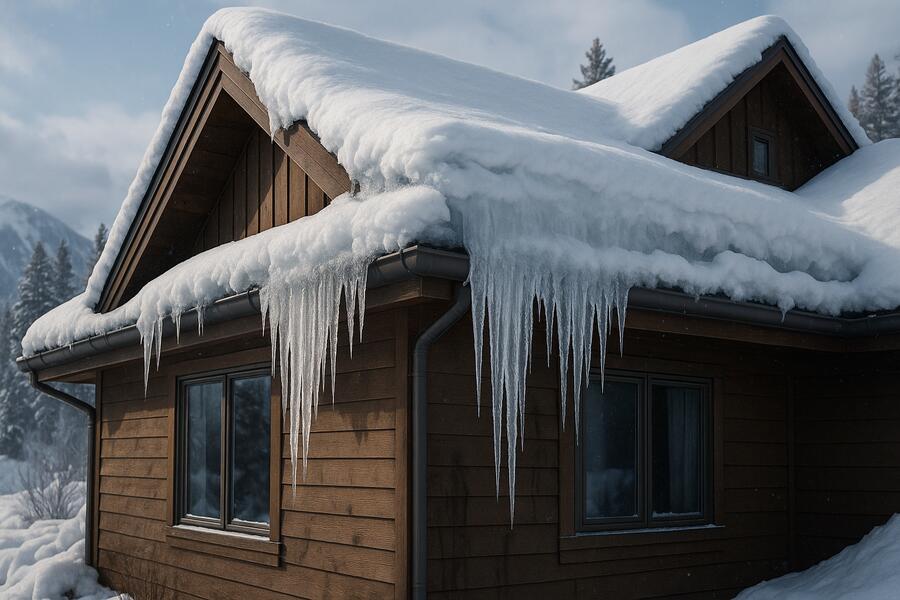
In regions accustomed to cold, snowy winters and dramatic temperature fluctuations, gutter maintenance isn’t just a seasonal chore – it’s a year-round commitment critical for protecting your home. Unlike more temperate zones, homes in snowy climates face unique challenges like freeze-thaw cycles and heavy snow loads that dramatically alter how often gutters need attention. Neglecting these factors can lead to ice dams, gutter damage, and extensive water intrusion, making proactive maintenance paramount.
At Aces Seamless Gutters, we specialize in understanding and addressing the specific needs of homes in challenging climates. We know that a one-size-fits-all approach to gutter care simply doesn’t cut it when you’re battling persistent snow and ice. For durable rain gutters missoula homeowners can rely on, meticulous and frequent maintenance is the key. This guide will delve into how cold, snowy conditions necessitate a revised gutter maintenance schedule, focusing on what changes and why it matters for your home’s integrity.
The Impact of Cold & Snow on Gutter Systems
Winter brings a unique set of challenges to your home’s gutter system.
1. Freeze-Thaw Cycles
The constant shift between freezing and melting is particularly damaging.
-
Expansion and Contraction:
Water expands when it freezes, exerting immense pressure on anything it’s contained within. As temperatures fluctuate above and below freezing, water trapped in gutters (often by debris) repeatedly freezes and thaws. This continuous expansion and contraction can stress gutter seams, loosen hangers, and even crack gutter materials over time.
-
Ice Dam Formation:
One of the most notorious winter problems, ice dams form when snow on a warmer part of the roof melts, runs down to the colder eaves, and refreezes. Clogged gutters exacerbate this by holding melted water, allowing it to freeze and build up. Ice dams prevent proper drainage and can force water back under shingles, leading to significant roof and interior water damage.
2. Heavy Snow Load
The sheer weight of snow and ice puts immense strain on gutters.
-
Weight Capacity:
Gutters are designed to handle rainwater, not the substantial weight of snow and ice. A cubic foot of wet snow can weigh up to 20-30 pounds, and solid ice an astonishing 57 pounds. When gutters fill with compacted snow and ice, they can sag, pull away from the fascia, or even completely collapse, causing damage to the gutter system itself, as well as the fascia and roof edge.
-
Snow Slides:
When snow slides off the roof in large sheets, it can take gutters, downspouts, and even fascia boards with it. This is a common issue, particularly with metal roofs, but can occur on any roof after heavy snowfall.
💡 Key Takeaway: Cold climates intensify gutter stress through freeze-thaw cycles, which expand trapped water, loosen components, and cause ice dams. Heavy snow loads, including sudden snow slides, can exceed gutter weight capacity, leading to sagging, detachment, or outright collapse. These factors necessitate a more rigorous gutter maintenance schedule.
Adjusting Gutter Maintenance Frequency in Cold Climates
A proactive approach is vital for winter-readiness.
1. Pre-Winter Preparation (Late Fall)
This is your most crucial maintenance period.
-
Thorough Cleaning:
Before the first hard freeze, gutters and downspouts must be meticulously cleaned. Remove all leaves, twigs, pine needles, and shingle grit. Any debris left in the gutters will trap water, which will then freeze, forming a solid block of ice that can quickly lead to damage.
-
Flush & Test:
Once clean, flush the entire system with water to ensure free flow through all downspouts and underground drainage extensions. Verify that water flows freely to ground level and away from your foundation.
-
Inspect & Repair:
Check for loose hangers, sagging sections, or small cracks. Apply extra sealant to joints and corners, which are especially vulnerable to freeze-thaw damage. Secure any loose attachments to prevent sagging under potential snow loads.
-
Consider Heat Cables/Gutter Guards:
For homes prone to ice dams, consider installing gutter heating cables. High-quality gutter guards can also help by preventing debris from accumulating, thus reducing water retention, but they still require cleaning to remove surface debris.
2. Mid-Winter Monitoring and Mitigation
Stay vigilant throughout the colder months.
-
Regular Visual Checks:
Walk around your home after heavy snowfalls and during thaws. Look for signs of snow or ice accumulation in or on top of your gutters. Check for icicles, which can indicate poor drainage or ice dams.
-
Snow Removal from Roof Edge:
If significant snow accumulates on your roof, especially near the eaves, use a roof rake to carefully remove the first 3-4 feet of snow. This reduces the snow load on gutters and minimizes the source of meltwater that contributes to ice dams.
-
Address Minor Ice Buildup:
If you notice ice forming, use calcium chloride ice melt (placed in a stocking or sock) laid across the ice in the gutter to create drainage channels. Never use sharp tools to chip away ice, as this can severely damage your gutters.
3. Post-Winter Inspection (Early Spring)
Assess and address winter’s toll.
-
Damage Assessment:
Once all snow and ice have melted, perform a thorough inspection for any winter-related damage. Check for detached gutters, bent sections, cracked seams, or damaged fascia boards.
-
Clean Out Winter Debris:
Even if cleaned in the fall, winter storms can deposit new debris. A light cleaning in spring prepares your gutters for spring rains.
💡 Key Takeaway: Gutter maintenance in cold climates requires a multi-stage approach. Crucial pre-winter steps include thorough cleaning, flushing, and inspecting for repairs, possibly adding heat cables. During winter, regular visual checks and safe snow/ice removal (e.g., roof rakes, calcium chloride) are vital. A post-winter inspection assesses and repairs any damage.
| Maintenance Period | Key Activities | Reason in Cold Climates |
|---|---|---|
| Late Fall (Pre-Winter) | Thorough cleaning, flush downspouts, inspect for loose hangers/cracks, seal joints. | Prevent debris-trapped water from freezing, causing expansion damage and ice dams. |
| Mid-Winter (Ongoing) | Visual checks for snow/ice accumulation, judicious roof raking near eaves, use safe ice melt. | Mitigate heavy snow load, reduce ice dam formation, prevent structural damage. |
| Early Spring (Post-Winter) | Thorough inspection for winter damage (detachment, cracks), light cleaning of winter debris. | Identify and repair damage from freeze-thaw cycles and heavy snow before spring rains. |
Gutter maintenance in cold climates is an intensified process that goes beyond simple seasonal cleaning. By understanding the unique stresses posed by freeze-thaw cycles and heavy snow loads, and by adopting a proactive, multi-stage maintenance approach, homeowners can significantly enhance the longevity and effectiveness of their gutter systems. This diligence ensures continuous protection for your home, even against the most challenging winter conditions.
Have questions about gutter maintenance in cold climates? Reach out to our team today.
Frequently Asked Questions About Gutter Maintenance in Cold Climates
How often should I clean my gutters in a snowy climate?
In snowy climates, you should perform a very thorough cleaning in late fall, just before the first hard freeze, ensuring all debris is removed. A second, lighter cleaning and inspection should take place in early spring after all snow and ice have melted. Additionally, if your home is near many trees, consider a mid-summer check, and always inspect after severe winter storms.
Can gutter guards help with winter gutter maintenance?
Yes, quality gutter guards can significantly reduce debris accumulation, which is a major contributor to winter gutter problems. By keeping leaves and large debris out, they help prevent water from getting trapped and freezing, thus reducing the risk of freeze-thaw damage and ice dams caused by clogged gutters. However, even with guards, you still need to conduct visual inspections for surface debris and ensure the overall system is sound before and after winter.
What should I do if my gutters are already frozen solid?
If your gutters are frozen solid, avoid chipping away at the ice with sharp tools, as this can severely damage the gutters. Instead, use safe methods: try filling old stockings or socks with calcium chloride ice melt pellets (not rock salt, which can corrode gutters) and lay them across the frozen sections to create drainage channels. For severe, recurring issues, consider professional solutions like gutter heating cables or addressing underlying attic insulation and ventilation problems to prevent future ice dams.

