
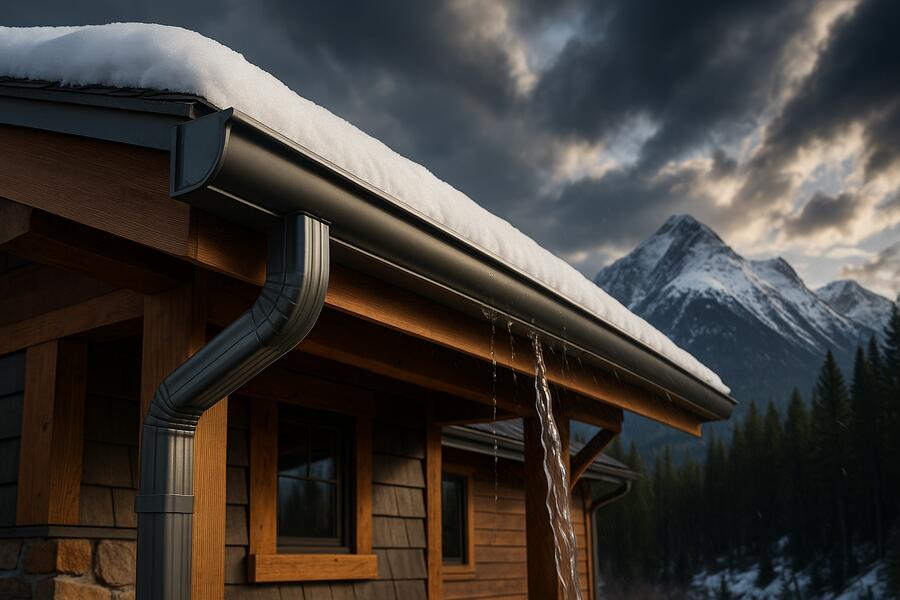
In Missoula, MT, where homes contend with everything from heavy rainfall to significant snow loads, the durability of your gutter system is paramount. While the gutters themselves channel water away, it’s the often-overlooked gutter hangers and brackets that bear the brunt of the weight and stress. These small but mighty components are crucial for securing your gutters to your home, maintaining their proper slope, and ultimately determining how well your entire system holds up over time.
Many homeowners focus on gutter material and size, but the quality of your gutter hangers and brackets, along with their correct spacing, are equally vital for preventing sagging, detachment, and premature failure. Understanding how these essential hardware pieces contribute to the longevity and performance of your gutters can help you make informed decisions for your home. Let’s explore the critical role of gutter hangers and brackets in ensuring your system’s long-term durability. For expert gutter installation and maintenance, trust Aces Seamless Gutters.
The Essential Role of Gutter Hangers and Brackets
What Are Gutter Hangers and Brackets?
Gutter hangers and brackets are the hardware components used to attach gutters to the fascia board of your home. They provide structural support, prevent sagging, and ensure the gutter maintains the proper pitch for effective water drainage. There are several types, but they all serve the same fundamental purpose: to securely hold the gutter in place against the elements.
Types of Gutter Hangers and Brackets
-
Hidden Hangers (Internal Brackets):
These are the most common type for modern seamless gutters. They fit inside the gutter and screw directly into the fascia board, offering a clean, concealed look from the ground. They are highly effective for supporting the gutter’s weight.
-
K-Style External Brackets:
These are visible brackets that attach to the fascia and support the gutter from underneath. While less common on residential homes today, they are very strong and sometimes used for commercial applications or where a more traditional look is desired.
-
Half-Round Brackets:
Specifically designed for half-round gutters, these external brackets cradle the curved gutter and screw into the fascia or rafter tails. They are often decorative and part of the gutter’s classic aesthetic.
-
Spikes and Ferrules:
An older method, this involves a long spike driven through the front of the gutter, through a spacer tube (ferrule) inside the gutter, and into the fascia board. While still seen, it’s generally considered less secure and can lead to premature gutter failure compared to modern hidden hangers.
💡 Key Takeaway: Gutter hangers and brackets are critical for securing gutters, maintaining proper pitch, and distributing weight. Hidden hangers are popular for their strength and discreet appearance, while external brackets are chosen for specific gutter styles or aesthetic preferences.
How Hanger Spacing Affects Gutter Durability
1. Standard Spacing Guidelines
For most residential installations in moderate climates, gutter hangers are typically spaced every 18 to 24 inches along the gutter run. This spacing provides adequate support for standard water loads and light debris accumulation.
-
24-inch Spacing:
Often considered the baseline for effective support, ensuring the gutter remains straight and maintains its proper pitch.
-
18-inch Spacing:
Provides increased strength and is often recommended in areas prone to heavy rainfall, significant tree debris, or longer gutter runs.
2. Adapting to Missoula’s Climate: Heavy Snow and Ice Loads
Missoula’s climate, with its heavy snowfall and potential for ice dams, demands a more robust approach to gutter hanger spacing. Water turns to ice, which is significantly heavier than water, putting immense stress on gutters.
-
Closer Spacing is Crucial:
In regions with heavy snow and ice, industry experts and local contractors strongly recommend reducing the spacing between hangers to 18 inches, or even closer (e.g., 16 inches) on particularly vulnerable sections or longer runs. This tighter spacing more effectively distributes the immense weight of snow and ice, preventing the gutter from sagging, pulling away, or collapsing entirely.
-
Preventing Sagging and Detachment:
Insufficient hanger spacing in snowy conditions is a leading cause of gutters bowing, detaching from the fascia, and eventually failing. Once a gutter sags, it loses its proper pitch, causing water to pool and debris to accumulate, further compromising its integrity.
-
Strategic Placement:
Beyond general spacing, hangers should also be placed strategically within 6-8 inches of internal/external corners, downspout outlets, and end caps to provide maximum support at high-stress points.
💡 Key Takeaway: In Missoula’s climate, tighter hanger spacing (18 inches or less) is vital to support the heavy loads from snow and ice. Correct spacing prevents sagging, detachment, and ensures the long-term durability of your gutter system.
The Importance of Hardware Quality
1. Material of Hangers and Fasteners
The material quality of the hangers and the fasteners (screws) used is just as important as their spacing. Inferior materials can rust, corrode, or simply lack the strength to hold up under stress.
-
Rust-Resistant Materials:
Hangers and screws should be made from rust-resistant materials like stainless steel, galvanized steel, or aluminum, especially in wet environments. This prevents the hardware from degrading over time and losing its grip.
-
Strong Fasteners:
The screws used to attach hangers should be long enough to penetrate well into solid wood (e.g., the roof rafters or sturdy fascia board) to provide maximum holding power.
2. Proper Installation Techniques
Even the best hangers and spacing won’t perform optimally without proper installation. This includes:
-
Ensuring Proper Pitch:
Gutters must have a slight slope (typically 1/16 to 1/8 inch per foot) towards the downspouts to ensure water drains effectively. Hangers play a key role in maintaining this pitch.
-
Securing to Solid Wood:
Hangers should always be securely fastened into solid wood components of the roof structure, not just surface-level fascia, especially in areas with potential heavy loads.
-
Professional Expertise:
An experienced gutter installer understands the nuances of hanger placement, pitch, and local climate considerations to ensure a robust and durable system.
| Factor | Impact on Durability | Best Practice for Missoula, MT |
|---|---|---|
| Hanger Spacing | Distributes weight; prevents sagging/detachment. | 18 inches or less, especially on long runs and snow-prone areas. |
| Hanger Material | Resists corrosion; maintains strength over time. | Stainless steel, galvanized steel, or heavy-gauge aluminum. |
| Fastener Quality | Ensures secure attachment to fascia/rafters. | Long, rust-resistant screws into solid wood. |
| Installation | Maintains proper pitch; prevents water pooling. | Professional installation with climate-specific considerations. |
The durability of your gutter system hinges significantly on the quality and installation of its hangers and brackets. Investing in high-quality hardware and ensuring correct, climate-appropriate spacing is essential for a gutter system that can withstand Missoula’s weather and protect your home for decades.
Have questions about gutter hangers and brackets? Reach out to our team today.
Frequently Asked Questions About Gutter Hangers and Brackets
Can I space my gutter hangers wider if I have very light rainfall?
While some sources suggest wider spacing (up to 36 inches) in very dry climates, it’s generally not recommended to exceed 24 inches for residential gutters. Even in dry areas, a sudden heavy downpour can still stress widely spaced gutters. For Missoula, due to snow and heavier rains, closer spacing is always preferable for longevity.
What’s the difference between hidden hangers and spikes and ferrules for durability?
Hidden hangers generally offer superior durability. They distribute weight more evenly along the top edge of the gutter and into the fascia, making them very strong against vertical loads like snow and ice. Spikes and ferrules, by contrast, create a single point of penetration through the entire gutter, which can eventually loosen, pull out, or deform the gutter material over time, leading to sagging.
How often should I inspect my gutter hangers for issues?
You should visually inspect your gutter hangers and the fascia connection at least twice a year during your routine gutter cleaning – once in the spring after winter snow and ice, and again in the fall after heavy leaf drop. Look for any signs of sagging, pulling away from the fascia, corrosion on the hangers, or loose fasteners. Addressing these issues promptly can prevent more significant and costly damage.

