
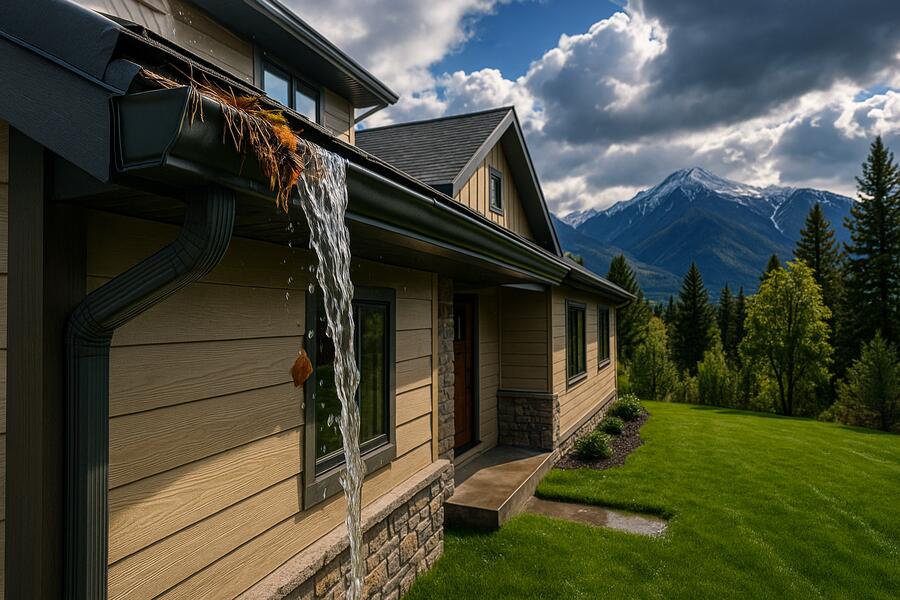
For homeowners in Missoula, MT, the gutter system is a silent guardian, working tirelessly to divert thousands of gallons of water away from your home’s foundation, walls, and landscaping. However, like any hardworking system, gutters require regular attention to perform optimally. The question isn’t just about cleaning them; it’s also about consistent, thorough inspections. Knowing the appropriate gutter inspection frequency can be the difference between minor maintenance and costly, extensive repairs down the line.
At Aces Seamless Gutters, we’ve seen firsthand how proactive inspections save homeowners significant headaches and expense. While many people think about cleaning their gutters, a comprehensive inspection goes deeper, looking for potential issues before they become major problems. For reliable rain gutters missoula, regular checks are an absolute must. This guide will outline the recommended inspection cadence and detail what a thorough professional visit should entail, ensuring your home remains protected season after season.
Recommended Gutter Inspection Frequency
The general consensus among industry experts is that most homes benefit from at least twice-yearly inspections.
1. Bi-Annual Inspections: Spring and Fall
These are the golden rules for gutter maintenance.
-
Late Spring (After Pollen and Seed Drop):
After the last of the tree seeds, blossoms, and heavy pollen have fallen, a spring inspection is crucial. This check identifies any winter damage (ice dams, heavy snow loads) and clears debris accumulated from spring growth. It ensures your gutters are ready for summer rains.
-
Late Fall (After Leaf Drop):
This is arguably the most critical inspection. Once the majority of leaves have fallen from deciduous trees, a thorough clean and inspection prevent clogs that can lead to ice dams and overflows during winter. It’s your last chance to prepare the system for freezing temperatures.
2. Additional Inspections for Specific Conditions
Some homes require more frequent attention.
-
Homes Under Heavy Tree Cover:
If your property is surrounded by numerous trees, especially pine trees or those known to shed frequently, consider quarterly inspections (every 3 months) or more frequent checks as needed. Pine needles, in particular, can quickly form dense, difficult-to-remove clogs.
-
After Severe Weather Events:
High winds, heavy rains, significant hail, or severe snowstorms can cause immediate damage to gutters, dislodge hangers, or create blockages. A quick visual check after such events is highly recommended.
-
Homes with Gutter Guards:
While gutter guards significantly reduce maintenance, they don’t eliminate it entirely. Guards themselves should be inspected annually to ensure no debris has accumulated on top of the mesh or that fine silt hasn’t bypassed the system, potentially requiring a light rinse.
💡 Key Takeaway: Most homes need gutter inspections twice a year, in late spring and late fall, to address seasonal debris and weather damage. Homes with heavy tree cover, or after severe weather, require more frequent checks. Even with gutter guards, an annual inspection is vital to ensure optimal performance.
What a Thorough Gutter Inspection Should Check
A professional inspection goes beyond just clearing visible debris; it’s a comprehensive health check for your entire water management system.
1. Gutter Troughs
The main channels that collect water.
-
Debris & Clogs:
Checking for accumulated leaves, twigs, shingle grit, and silt that impede water flow.
-
Sagging & Pitch:
Ensuring gutters maintain a proper slope towards the downspouts to prevent standing water, which can lead to mosquito breeding and accelerated deterioration.
-
Leaks & Cracks:
Identifying any cracks, holes, or gaps in seams that could allow water to escape prematurely.
2. Downspouts
The vertical pipes that guide water to the ground.
-
Blockages:
Confirming clear flow by flushing with water, especially in the elbows and underground sections. Clogged downspouts are a major cause of gutter overflow.
-
Proper Connection:
Ensuring downspouts are securely fastened to the gutters and directed away from the foundation.
-
Extensions:
Checking that downspout extensions are correctly positioned to direct water at least 5-10 feet away from the foundation.
3. Hangers & Fasteners
The hardware that supports the gutters.
-
Security:
Verifying that all hangers are firmly attached to the fascia board and that the gutters are securely fastened. Loose hangers can lead to sagging or detachment.
-
Corrosion:
Checking for rust or corrosion on metal fasteners that could weaken their structural integrity.
4. Fascia & Soffit Boards
The underlying components protected by your gutters.
-
Water Damage:
Inspecting for signs of rot, discoloration, peeling paint, or soft spots on the fascia and soffit, which often indicate recurring gutter overflow or leaks.
-
Pest Activity:
Looking for signs of pest entry (e.g., holes, nests) in these areas, as damaged gutters can create vulnerabilities.
5. Drip Edge & Roof Shingles
The connection points to your roof.
-
Drip Edge Integrity:
Ensuring the drip edge is correctly installed to guide water into the gutters and not behind them.
-
Shingle Condition:
Noting any damaged or deteriorating shingles near the gutter line, which can contribute to shingle grit accumulation in the gutters.
💡 Key Takeaway: A comprehensive gutter inspection meticulously checks for debris and proper pitch in troughs, clears downspout blockages, and verifies hanger security. It also critically examines fascia, soffit, drip edge, and adjacent roof shingles for water damage or signs of underlying issues, ensuring the entire system functions as a cohesive unit.
| Component Inspected | What to Check For | Potential Problem Indicated |
|---|---|---|
| Gutter Troughs | Debris, standing water, leaks, proper pitch. | Clogs, poor drainage, foundation issues. |
| Downspouts | Blockages, secure connection, proper extension. | Overflows, erosion near foundation. |
| Hangers & Fasteners | Loose, bent, or corroded hardware. | Sagging gutters, eventual detachment. |
| Fascia & Soffit | Rot, discoloration, peeling paint, pest activity. | Water damage, structural issues, pest entry. |
| Drip Edge & Roof | Proper alignment, damaged shingles. | Water getting behind gutters, shingle deterioration. |
Understanding how often a home’s gutter system should be inspected, and what a detailed inspection entails, is fundamental to proactive home maintenance in Missoula. Regular checks and timely intervention keep your gutters functioning flawlessly, protecting your home from the damaging effects of water. Don’t wait for visible overflows or major issues to appear; a consistent inspection schedule is your best defense against costly repairs and ensures your home remains safe and dry.
Have questions about how often a home’s gutter system should be inspected? Reach out to our team today.
Frequently Asked Questions About Gutter Inspection Frequency
Can I inspect my gutters myself, or do I need a professional?
While homeowners can perform basic visual checks from the ground or a ladder, a professional inspection is highly recommended at least once a year, or every few years, especially if you have a multi-story home or complex roofline. Professionals have the right safety equipment, expertise to spot subtle issues (like hidden rot or incorrect pitch), and tools to thoroughly clear downspouts. They can often identify problems you might miss, preventing more significant damage.
What are the signs that my gutters need immediate inspection?
If you notice any of these signs, your gutters need immediate attention: water overflowing during rain (especially if it’s not heavy rainfall), water pooling around your home’s foundation, visible sagging or pulling away of gutters from the fascia, peeling paint on your fascia or siding beneath the gutters, mold or mildew growth, or water stains on your exterior walls or in your basement. These all indicate a failure in your gutter system that requires prompt investigation.
Do gutter guards reduce the need for inspections?
Gutter guards significantly reduce the frequency of full cleanings by preventing large debris from entering the troughs. However, they do not eliminate the need for inspections. You should still inspect your gutter guards annually to ensure that fine debris (like shingle grit or pollen) isn’t accumulating on top of the guards, potentially impeding water flow. You also need to check the overall integrity of the gutter system (hangers, downspouts, fascia) beneath the guards.

