
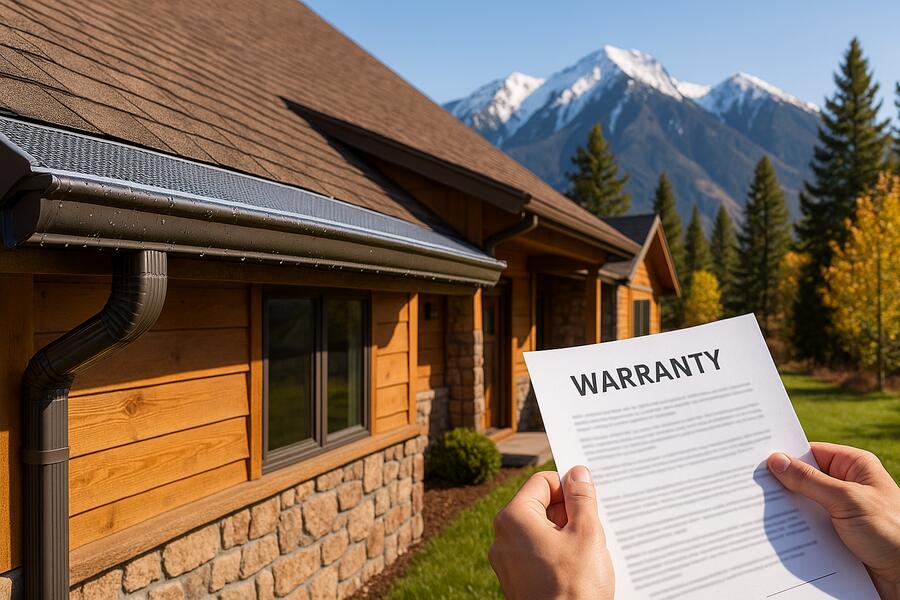
Investing in gutter guards for your Missoula, MT home is a smart decision for reducing maintenance and protecting your property from water damage. However, like any significant home improvement, understanding the warranty that comes with your gutter guards is just as important as choosing the product itself. A robust and clear warranty offers peace of mind, ensuring your investment is protected against defects and performance issues. Unfortunately, not all warranties are created equal, and some can be filled with fine print that leaves homeowners feeling exposed.
At Aces Seamless Gutters, we believe in transparent discussions about the products and services we offer, including their guarantees. When considering gutter guards missoula mt, knowing what a reasonable warranty should cover and how long it should last is crucial. This guide will help you navigate the essential gutter guard warranty considerations, empowering you to ask the right questions and make a confident choice.
What a Reasonable Gutter Guard Warranty Should Cover
A comprehensive gutter guard warranty typically addresses two main areas: material defects and performance.
1. Material Defects
This coverage protects against flaws in the manufacturing of the product itself.
-
Rust, Corrosion, or Deterioration:
A good warranty should guarantee that the gutter guard material (e.g., aluminum, stainless steel) will not rust, corrode, or otherwise prematurely deteriorate under normal weathering conditions. This is particularly important in Missoula where temperature fluctuations and moisture are common.
-
Peeling, Chipping, or Fading Finish:
If your gutter guards have a painted finish, the warranty should cover the integrity of that finish, protecting against peeling, chipping, or excessive fading that would compromise aesthetics or protection.
2. Performance Guarantees
This is where many warranties become tricky, so pay close attention.
-
“No Clog” or “Flow Through” Guarantee:
This is arguably the most important performance aspect. A reputable warranty should guarantee that your gutters will not clog *internally* due to debris, preventing water from flowing through the system as intended. Be wary of warranties that only guarantee the top of the guard won’t clog, as debris on the surface can still prevent water from entering the gutter. Clarify if it covers the entire system, including downspouts, and if it addresses issues where water bypasses the gutter due to surface accumulation.
-
Damage from Normal Wear and Tear (Limited):
While most warranties exclude “acts of nature” (e.g., severe hail, falling trees), some might offer limited protection against damage from typical weather or minor impacts that cause the guard to warp or detach, provided it’s not due to improper installation.
💡 Key Takeaway: A strong gutter guard warranty should clearly cover material defects like rust, corrosion, and finish degradation. Crucially, it must include a robust “no clog” or “flow through” performance guarantee, explicitly stating that water will enter and exit the gutter system without internal blockages. Always verify this aspect carefully.
How Long a Gutter Guard Warranty Should Last
The duration of gutter guard warranties can vary significantly, but generally, longer is better, reflecting manufacturer confidence.
1. Typical Warranty Lengths
Expect a substantial warranty period for quality products.
-
20 to 30 Years:
For most high-quality mesh or solid gutter guards, a warranty covering material and basic performance for 20 to 30 years is common and reasonable. This duration reflects the expected lifespan of durable gutter guards.
-
“Lifetime” Warranties:
Some premium brands offer “lifetime” warranties. It’s critical to understand what “lifetime” means in their specific terms – is it the lifetime of the product, the original homeowner, or the property? Lifetime warranties often have specific conditions and are sometimes transferable, but always require thorough reading of the fine print.
2. Key Exclusions and Voiding Conditions
Understanding what isn’t covered or what could void your warranty is as important as knowing what is covered.
-
Improper Installation:
This is a major one. Most manufacturer warranties are void if the gutter guards are not installed according to their specifications, or if they are installed incorrectly by an unauthorized contractor. This highlights the importance of choosing a reputable, certified installer.
-
Acts of God/Nature:
Damage from extreme weather events (e.g., hurricanes, tornadoes, severe hail, earthquakes) or falling objects (e.g., large tree branches) is almost universally excluded.
-
Lack of Maintenance:
While gutter guards significantly reduce maintenance, most warranties require some level of periodic upkeep (e.g., surface cleaning of debris, ensuring proper downspout flow). Failure to perform this minimal maintenance could void your warranty.
-
Roof Warranty Concerns:
Ensure that the installation of the gutter guards will not void your existing roof warranty. Some installation methods that involve lifting or penetrating shingles can sometimes cause issues.
💡 Key Takeaway: A reasonable gutter guard warranty should last 20-30 years, or even “lifetime” with clear definitions. Always scrutinize exclusions, especially those related to improper installation, acts of nature, and required maintenance, as these can easily void your coverage. Ensure installation won’t impact your roof warranty.
Questions to Ask Your Contractor About the Warranty
Before you commit to a gutter guard system, arm yourself with these questions:
- “What specific types of material and performance issues does this warranty cover?”
- “What is the exact duration of the warranty, and what does ‘lifetime’ mean if applicable?”
- “Does this warranty cover both materials AND labor for repairs or replacement?”
- “What are the most common exclusions or conditions that could void this warranty?”
- “Is the warranty transferable to a new homeowner, and if so, what’s the process?”
- “What is the process for filing a warranty claim, and who do I contact?”
- “Will the installation method affect my roof warranty?”
| Warranty Aspect | What to Look For | Red Flags to Avoid |
|---|---|---|
| Coverage | Material defects (rust, finish), true “no clog” performance (water enters/exits). | Vague “no clog” (only top of guard), excludes labor costs, doesn’t specify downspouts. |
| Duration | 20-30 years minimum, clear “lifetime” definitions. | Short warranties (under 10 years), undefined “lifetime.” |
| Exclusions | Only major acts of nature, clear maintenance requirements. | Minor weather damage, any lack of maintenance voids, voiding roof warranty. |
| Transferability | Clear process for transferring to new homeowner. | Non-transferable or complicated transfer process. |
Thoroughly evaluating gutter guard warranty considerations is a critical step in protecting your Missoula home and your investment. By asking diligent questions and carefully reviewing the warranty document, you ensure that you’re getting a durable product backed by a reliable guarantee. A reputable contractor will be happy to walk you through every detail, ensuring you have complete confidence in your new gutter protection system.
Have questions about gutter guard warranty considerations? Reach out to our team today.
Frequently Asked Questions About Gutter Guard Warranties
Do gutter guard warranties cover labor costs?
Not always, and this is a crucial distinction to clarify. Many manufacturer warranties cover the cost of replacement materials but explicitly exclude labor costs for de-installation and re-installation. Some premium systems or local installers might offer an additional workmanship warranty that covers labor, but this is less common for manufacturer product warranties. Always ask your contractor for specific details about both material and labor coverage.
Can installing gutter guards void my roof warranty?
Potentially, yes. Some gutter guard installation methods involve lifting or penetrating the first row of shingles, which could, in rare cases, void a roof warranty, especially if done improperly. However, many modern gutter guards are designed to install without interfering with shingles, or manufacturers provide specific guidance on compatible installation methods. Always discuss this concern with both your gutter guard installer and, if possible, refer to your roof warranty documentation or contact your roofing contractor.
What does “normal weathering conditions” mean in a gutter guard warranty?
“Normal weathering conditions” typically refers to the expected environmental exposure a product will endure in its intended application. It means the warranty covers defects that arise from typical sun exposure, rain, snow, and average temperature fluctuations. It generally excludes damage from extraordinary events like hurricanes, tornados, severe hailstorms, or unusually corrosive atmospheres, which are usually covered under “acts of God” exclusions.

